
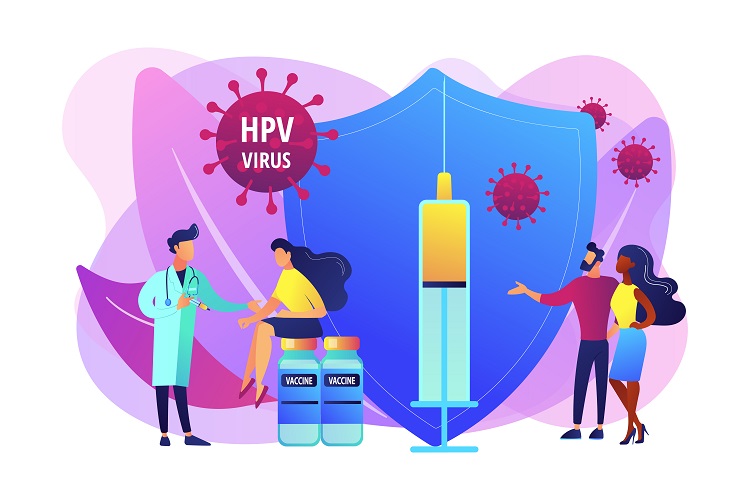
When discussing intimate relationships, one topic that often causes confusion and concern is Human Papillomavirus (HPV). This common viral infection can bring up fears, particularly the alarming question: Can HPV kill you? The good news is that HPV itself is usually non-fatal. While certain high-risk strains may lead to serious health issues, including types of cancer, these outcomes are preventable with the right knowledge and early intervention.
In this article, we’re here to demystify HPV, highlight its impact on health, and empower you with crucial information about prevention, detection, and available support. Knowledge is your strongest ally in ensuring peace of mind in both your sexual health and your relationships.
What Exactly is HPV?
HPV stands for Human Papillomavirus, a collective term for a group of over 200 related viruses. It commonly affects the skin and mucous membranes. Don’t be alarmed—most sexually active people will encounter at least one type of HPV during their lives, often without realizing it.
The virus is categorized into two types:
- Low-risk HPV types cause conditions like warts but are not associated with cancer.
- High-risk HPV types can lead to persistent infections that may develop into cancer over time.
In most instances, HPV clears on its own within a couple of years, thanks to our immune system.
How is HPV Transmitted?
The primary method of HPV transmission is through skin-to-skin contact, especially during sexual activities—whether vaginal, anal, or oral. It’s essential to know that penetration isn’t necessary for transmission, meaning HPV can be passed, even with condom use—which greatly reduces risks but doesn’t eliminate them entirely. Because many carriers show no visible signs of the virus, transmission often happens unknowingly.
Understanding the Risks: Can HPV Kill You?
The Simple Answer
HPV alone does not typically cause death. Most infections remain harmless and resolve naturally. However, high-risk HPV strains can lead to long-term complications, including cancers that can be life-threatening without timely detection and treatment.
Why Most HPV Infections Aren’t Fatal
- Approximately 90% of HPV infections clear up on their own within one to two years.
- Many people remain symptom-free.
- Low-risk types of HPV do not evolve into cancer.
This means that just having HPV doesn’t guarantee serious health issues or a death sentence.
When HPV Becomes a Concern
HPV poses a health risk when:
- It involves a high-risk strain.
- The infection persists over several years.
- Abnormal cells form and go undetected or untreated.
Over time, persistent infection can lead to dangerous cellular changes and possibly cancer.
Cancers Associated with HPV
High-risk HPV types are linked to many cancers, including:
Cervical Cancer
- Almost all cervical cancer cases are linked to HPV.
- It develops slowly—often taking 10 to 20 years.
- Regular screenings can catch precancerous changes early.
Anal Cancer
- HPV is the leading cause of anal cancer in both genders.
Oropharyngeal Cancer
- This affects parts of the throat, including the tonsils.
- It is usually connected to oral HPV infection.
- Symptoms may be noticeable only in advanced stages.
Other Associated Cancers
- Penile Cancer: Rare but linked to HPV.
- Vulvar and Vaginal Cancers: Primarily associated with long-term HPV infections.
These cancers can be life-threatening if caught late, underscoring the importance of prevention and early detection.
Recognizing Symptoms of HPV and Related Conditions
HPV Infection
Most people with HPV experience no symptoms.
Genital Warts
- Small, flesh-colored or gray growths.
- They can occur singly or in clusters.
- Typically painless and arise from low-risk HPV types.
Signs of Possible Cancer
Symptoms may vary based on the type of cancer, but can include:
- Abnormal vaginal bleeding
- Persistent pelvic pain
- Pain during intercourse
- Chronic sore throat
- Difficulty swallowing
- Unexplained weight loss
- Non-healing sores
- Anal bleeding or discomfort
Consult a healthcare provider for any persistent or unusual symptoms.
HPV Prevention: How to Safeguard Yourself
1. HPV Vaccination
Vaccines can shield against the most harmful types of HPV known to cause cancers and genital warts.
Benefits of the Vaccine:
- Prevents most HPV infections.
- Significantly reduces cancer risk.
- Safe and well-studied.
- Effective for all genders.
Recommended Ages:
- Optimal administration occurs between 9 and 12.
- Recommended up to age 26.
- Some individuals up to age 45 may still gain benefits.
2. Regular Screening
For those with a cervix:
- Pap tests help identify early abnormal cell changes.
- HPV tests detect high-risk virus types.
- Regular screenings can prevent cervical cancer.
3. Safer Sexual Practices
While no method provides complete protection against HPV, the risk can be minimized by:
- Utilizing condoms and dental dams.
- Limiting the number of sexual partners.
- Engaging in open conversations about sexual health.
- Getting regular STI tests.
4. Fortifying Your Immune System
A robust immune system can help clear HPV naturally. Here are some healthy habits:
- Balanced nutrition.
- Regular exercise.
- Quality sleep.
- Avoiding smoking and excessive drinking.
- Managing stress levels.
Addressing HPV and Emotional Health
An HPV diagnosis can evoke feelings of anxiety, fear, or shame. These emotions are completely valid. Seeking support can aid in:
- Reducing stigma.
- Building self-esteem.
- Navigating uncertainty.
- Making informed health decisions.
Finding Support and Resources
Healthcare Support
- Contact government hospitals and clinics.
- Consult gynecology and oncology departments.
- Visit primary health centers and sexual health clinics.
Emotional and Peer Support
- Join local cancer support groups.
- Access sexual health counseling services.
- Connect with mental health professionals.
- Engage in online HPV and STI support communities.
Don’t hesitate to reach out to healthcare providers for guidance on suitable resources.
Conclusion
So, can HPV kill you? The reality is that HPV is rarely deadly, with most infections resolving naturally. However, untreated high-risk HPV infections can lead to cancers that become life-threatening if not addressed promptly.
The positive takeaway is clear:
- HPV-related cancers are largely preventable.
- Vaccination can save lives.
- Regular screenings can catch issues early.
- Timely treatment is effective.
- Support is available to navigate these challenges.
Understanding, prevention, and access to care are your strongest defenses. Whether you or a loved one has questions about HPV, open conversations with healthcare providers can lead to proactive steps for long-term health.