
“Erectile Dysfunction: Understanding the Causes and Embracing Connection for a Healthier Relationship”

Understanding Erectile Dysfunction: Insights from Someone Who Faced It

When I first heard about erectile dysfunction (ED), I always thought it was an issue for older men—those with gray hair and a penchant for sharing golfing stories. But then, in my mid-30s, it caught me off guard, not as a full-blown ED, but just enough to rattle my confidence. It was a moment that taught me a lot; and I want to share this journey to let you know you’re not alone. Whether you’re in your 30s, 40s, or older, ED is an issue that doesn’t discriminate against age or lifestyle. In this article, we’ll dive into the causes behind this common dilemma and explore ways to address it—from my personal experiences to some surprising remedies.


Understanding Erectile Dysfunction

So, what exactly is erectile dysfunction? Simply put, it’s the inability to achieve or maintain an erection firm enough for sexual activity. It’s natural to have an off night occasionally—we all experience stress, fatigue, and distractions. However, when it happens frequently, it can impact your confidence and relationships. In the U.S. alone, around 30 million men face ED, and while it tends to increase with age, younger men are also seeking help more than ever. Understanding the various reasons behind ED is crucial for those affected.

Causes of erectile dysfunction

Erectile Dysfunction: Causes, Diagnosis and Treatment

Erectile Dysfunction: Treatments, Advances and New Therapeutic Strategies

Physiology of Erection and Pathophysiology of Erectile Dysfunction


My Personal Journey: Recognizing the Signs

What Causes Erectile Dysfunction?

I first noticed something was off when I was 35, after a year of happiness with my girlfriend. One night, we created the perfect romantic setting—only for nothing to happen. It wasn’t just a little hiccup; my body completely shut down. My mind was eager, yet my body wouldn’t cooperate. It became alarming when it happened repeatedly over the next few days. Initially, I attributed it to stress, late nights, and perhaps a bit too much alcohol. But as the incidents continued, panic set in. Was this my new reality?


Tackling the Underlying Causes of ED

Erectile dysfunction is rarely attributed to a single cause; it’s usually rooted in a combination of physical, emotional, and lifestyle factors. Think of it as a chain reaction—one weak link can lead to a breakdown. Here are the primary causes that I explored:

1. Poor Blood Flow

Understanding that poor circulation is a primary physical cause was enlightening. Erections depend on blood flow, and if conditions like high cholesterol, high blood pressure, or heart disease are at play, it can hinder that flow. I learned that I had to make some lifestyle adjustments.

2. Hormonal Imbalance

Testosterone greatly influences sexual drive and function. As men age, testosterone levels naturally decline, but factors like stress and lack of sleep can accelerate this. A check revealed that my levels were on the lower end, which didn’t help my situation.

3. Mental Health

Your psychological state plays a critical role in sexual performance. Anxiety, panic, or even fear of intimacy can create a vicious cycle that exacerbates ED. Following my initial issues, dread surrounded any intimate moment, turning what should be pleasurable into a source of stress.

4. Lifestyle Choices

Let’s be honest:

  • Smoking: It harms blood vessels.
  • Alcohol consumption: It can dampen your arousal.
  • Inactivity: Sitting all day isn’t good for circulation.
  • Poor diet: Inflammation from processed foods can disrupt hormones and blood flow.

I wasn’t a smoker, but my habits included too much alcohol and being sedentary. I thought it was just a normal part of life, but my body was signaling—loudly.

5. Medications and Health Conditions

Some medications can induce ED as a side effect, along with health conditions like diabetes, obesity, and sleep apnea. While I didn’t face severe health issues, a low-dose antidepressant for anxiety was in the mix and could have contributed.


Preventive Measures: Taking Control

What Causes Erectile Dysfunction?

The encouraging reality is that many instances of ED can be prevented or managed effectively. Here are practical steps I took to regain control:

1. Optimize Your Diet

I didn’t opt for a complete dietary overhaul but significantly reduced processed foods while increasing my intake of vegetables, lean proteins, and healthy fats. This choice led to better energy and a more positive mood.

2. Stay Active

I made simple changes to my routine, like walking during lunch and incorporating regular strength training. Moving more not only improved my energy but also fostered better sleep.

3. Prioritize Sleep

I adjusted my sleep schedule to ensure I got 7–8 hours per night. Structuring a bedtime routine kept screens away and created an optimal sleeping environment.

4. Manage Stress

I began incorporating mindfulness practices, like meditation and open dialogues with my partner about my feelings. Being open and honest alleviated unnecessary tension.

5. Limit Alcohol and Avoid Bad Habits

I scaled back my alcohol consumption to weekends, noticing an immediate boost in energy levels. If you smoke, quitting is essential for better blood flow.

6. Consult a Doctor

Initially reluctant, seeing a doctor proved immensely beneficial. A professional can offer insights and guidance tailored to your unique situation.


Exploring Tupi Tea: A Personal Experiment

What Causes Erectile Dysfunction?

Curious about natural remedies, I decided to try Tupi tea, reputed for its potential benefits on energy and sexual function. Made from the damiana plant, it’s been used traditionally in various cultures. After a month of daily consumption, I didn’t experience a miraculous change but noted a slight uplift in mood and relaxation, which contributed positively in the bedroom.

Was it the tea’s impact or the overall lifestyle changes? Likely a bit of both, and I personally found value in the experiment.


Seeing the Bigger Picture

Ultimately, ED isn’t just about physical symptoms; it intertwines with overall health and well-being. By addressing the root causes, I discovered greater confidence and vitality—not only in intimacy but in my daily life.


Final Thoughts: You’re Not Alone

What Causes Erectile Dysfunction?

If ED has you worried, take heart. Many men experience similar struggles, and it doesn’t mean you’re irreparably broken. Most causes are manageable and almost always start with the decision to face them. Seek support, consult professionals, and prioritize your health—mind and body alike. And if natural remedies like Tupi tea interest you, explore them, but always keep the basics in mind.

At the end of the day, it’s about more than just physical ability. It’s about your overall happiness and presence in your relationships. And that, my friends, is the real essence of attractiveness.

If you found this helpful, share it with someone who might need it. We’re all in this together, and the journey to understanding and facing challenges is easier when we share. Have you found solutions that worked for you? We’d love to hear about them in the comments!
“Unlock Healthy Relationships: Understanding the Difference Between Having Needs and Being Needy”

Are you worried about appearing needy in your relationships? You’re not alone. Many people fear that expressing their desires and requirements will come across as clingy. However, understanding the difference between having valid needs and being needy is essential for healthy relationships. Let’s explore five key distinctions that can empower you to express yourself with confidence instead of fear.

Understanding Your Relationship Needs vs. Neediness

One of the most common concerns among women in the dating scene is the anxiety of being perceived as needy. This fear often leads to silence, where they downplay their feelings and tolerate less than they deserve. The reality is simple: having needs is a natural part of being human, and acknowledging them is vital for a fulfilling relationship.

So, how do you navigate this fine line? Let’s break down five important differences that can help you articulate your needs and build healthier connections.

1. Needy Seeks Validation; Needs Reflect Self-Awareness

Feeling needy often stems from a place of insecurity, leading you to seek constant validation. You might find yourself asking, “Am I okay?” However, having genuine needs means you know what you want and aren’t afraid to express it.

Example:

  • Needy: “Why haven’t you texted? Are you seeing someone else?”
  • Needs: “I value consistent communication to feel connected.”

Neediness focuses on reassurance, while expressing your needs establishes healthy standards.

2. Needy Feels Urgent; Needs Are Grounded

When you’re feeling needy, there’s often a sense of urgency that can push you toward impulsiveness. You might think, “I need this right now, or there’s a problem.” In contrast, healthy needs are communicated in a calm and steady manner.

Example:

  • Needy: Sending multiple frantic texts when awaiting a reply.
  • Needs: “I enjoy regular communication; what’s your texting preference?”

One approach chases, while the other seeks clarification.

3. Needy Over-Accommodates; Needs Create Boundaries

Neediness often leads to abandoning your own desires just to keep someone in your life, saying yes when you really want to say no. On the other hand, having needs allows you to set boundaries, even if it risks losing a connection.

Example:

  • Needy: “I’m okay with whatever you want,” even if it’s not true.
  • Needs: “I prefer to plan in advance. Please let me know by Wednesday if you’re available on Saturday.”

Being aware of your needs helps filter out the wrong people rather than pushing them away.

4. Needy Is Fear-Based; Needs Are Value-Based

Feelings of neediness often arise from fear, thinking “If I don’t hold on tight, I might lose this.” In contrast, having needs is rooted in strong values, focusing on what conditions you require for a healthy relationship.

Example:

  • Needy: Staying in a confusing or inconsistent situation.
  • Needs: Seeking clarity, consistency, and emotional availability in a partner.

Being clear about your values makes your needs non-negotiable, rather than conditional on someone else’s potential.

5. Needy Depends on Outcome; Needs Honor Self-Worth

The most significant contrast lies in dependency on the relationship’s outcome. Needy feelings often reflect a thought process like, “I’ll be okay if this works out.” Having needs, however, empowers you with self-worth, leading you to say, “I’ll be okay regardless, and here’s what I desire.”

Example:

  • Needy: “Please choose me, no matter the circumstances.”
  • Needs: “I’m looking for someone who consistently shows up. If that’s not you, I’ll move on.”

This isn’t neediness; it’s strength and clarity.

Remember: you don’t need to minimize your needs to be lovable. You aren’t too much; perhaps you’ve just been settling for too little. The right partner will see your needs not as overwhelming but as a clear expression of who you are. That clarity will foster genuine connection.

If you’re holding back your needs due to fear of being “too much,” here’s your permission slip: You are not too much; you deserve to express what you want and need in a relationship.

“Reclaiming Intimacy: Building Healthy Relationships After a Herpes Diagnosis”

Receiving a diagnosis of herpes can often feel like a major roadblock in one’s romantic journey. The weight of fear, rejection, and the daunting possibility of judgment can cloud your experiences. Yet, countless individuals with herpes navigate the dating world successfully, forging meaningful, loving connections. The path to intimacy is paved with understanding, self-acceptance, and trust.

The emotional hurdles associated with herpes extend beyond simply partaking in a physical connection; it’s about rediscovering your worthiness of love. This article compiles genuine stories and practical guidance from those who have bravely faced their fears, rebuilt their confidence, and embraced deeper relationships.

Understanding the Emotional Impact of Herpes on Intimacy

The Hidden Burden of Shame and Anxiety

Following a herpes diagnosis, many individuals grapple with feelings of shame and isolation that can become mental obstacles to intimacy. The persistent anxiety surrounding potential transmission and the fear of rejection can drive many to distance themselves from prospective partners.

However, emotional recovery is within reach. Recognizing that herpes is just one facet of your health—and not the entirety of your identity—is essential for forging deeper connections. Millions around the world also live with herpes, and it should not diminish your worth, attractiveness, or capacity to love.

The Cycle of Fear and Avoidance

Often, the fear of intimacy can create a cycle of avoidance: fearing rejection leads to avoiding relationships, which in turn breeds loneliness and increased anxiety. Breaking this cycle requires bravery and self-compassion. Open and honest communication about your diagnosis empowers you, allowing you to take control of your narrative rather than letting fear dictate your actions.

Building Confidence After a Herpes Diagnosis

Self-Acceptance: The Foundation of Healing

True confidence starts with self-acceptance. Acknowledging that herpes is a common and manageable condition helps dispel stigma. The more knowledgeable you become, the less sway the virus has over your emotions.

Many navigating life with herpes find empowerment through education. Learning about antiviral treatments, safe sex practices, and facts about transmission not only eases anxiety but also fosters security in your ability to love and be loved. You deserve intimacy and happiness just like anyone else.

Reclaiming Your Self-Worth

Remember, your diagnosis does not shape your identity or the value you add to a relationship. Reconnecting with your interests, passions, and personal achievements can significantly enhance your self-esteem. Focusing on your unique qualities reveals that herpes is merely a small chapter in your broader life story.

Communication: The Heart of Intimacy

How to Talk About Herpes with a Partner

Starting a conversation about herpes with a potential partner can be daunting, but your approach can make a world of difference. Initiate the dialogue early on—preferably before physical intimacy commences—and in a comfortable, distraction-free setting.

Be calm and factual. Share what herpes is, how it’s transmitted, and your methods for managing it. Many people harbor misconceptions about herpes; educating your partner can alleviate undue fears. Highlight that you’re sharing this information out of care and respect for their well-being.

The Power of Vulnerability

Being vulnerable is not an indication of weakness; rather, it’s a show of strength. When you discuss herpes openly, you demonstrate emotional maturity and respect. Often, your honesty and bravery will be met with admiration, paving the way for deeper emotional bonds and lasting intimacy.

Rebuilding Sexual Confidence

Creating Safe and Comfortable Experiences

After a herpes diagnosis, engaging in physical intimacy may seem intimidating. It’s crucial to proceed at your own pace. Use protection, discuss outbreaks openly, and adhere to your prescribed medication to minimize transmission risks. Many couples thrive with rich, active sex lives after establishing trust and feelings of safety.

Taking things slow can help restore confidence. Begin with emotional intimacy—sharing thoughts, feelings, and affection—before venturing into sexual activities. This gradual approach creates a secure environment where both partners feel valued and understood.

Learning to Enjoy Intimacy Again

Herpes does not strip away your capacity for joy and connection. Rediscovering your sensuality can be facilitated by practices such as self-care, mindfulness, or even therapy. Remember, intimacy encompasses emotional and spiritual dimensions, not just physical ones. Approaching intimacy from a place of acceptance makes it easier to relax and embrace joy.

The Role of Herpes Support Communities

Finding Strength in Shared Experiences

Support groups—whether local or online—offer a nurturing environment for individuals with herpes to connect, share, and heal together. Learning from others’ experiences can alleviate feelings of isolation and enhance hope. You’ll find people who truly understand your struggles and can provide invaluable insights on dating, disclosure, and managing outbreaks.

Many herpes support communities also organize social events and online forums where individuals can form genuine relationships and friendships without judgment. These spaces promote inclusivity, self-love, and education, which are vital in overcoming the fear of intimacy.

Therapy and Professional Guidance

Alongside peer support, professional therapy can play a pivotal role in navigating complex emotions. A counselor who specializes in sexual health or trauma can provide tailored strategies to enhance self-worth and foster trust. Therapy can be a powerful tool to address anxiety, depression, or negative thought patterns that may hinder your relational journey.

Practical Tips to Overcome Fear of Intimacy with Herpes

1. Educate Yourself and Your Partner

Knowledge is a powerful ally. Understanding how herpes operates—from symptoms to prevention—merely equips you to explain your condition confidently, reducing misinformation and fostering trust.

2. Practice Self-Compassion

It’s important to forgive yourself during moments of self-doubt. Remember that healing is a journey, and setbacks are perfectly normal. Treat yourself with the same kindness and patience you would offer a close friend.

3. Take Control of Your Health

Managing your condition through medication, healthy living, and stress reduction not only minimizes outbreaks but also elevates your confidence. A sense of control fosters better emotional well-being.

4. Be Honest but Not Apologetic

When disclosing herpes, remember it’s about mutual respect, not seeking forgiveness. You have no reason to apologize. Sharing your diagnosis is a symbol of honesty, not guilt.

5. Surround Yourself with Positivity

Engage with supportive friends, online herpes communities, or self-help resources that emphasize positivity. Sheltering yourself from negativity allows you to focus on growth and empowerment.

Embracing Love Without Fear

Finding Emotional Connection

True intimacy transcends the physical; it is about emotional closeness, trust, and shared experiences. Having herpes does not inhibit your ability to form meaningful relationships. Instead, it adds a layer of honesty that can strengthen connections.

Once you’ve disclosed your condition and received acceptance, your emotional bond is bound to deepen. Many come to find that partners often admire their courage and vulnerability, leading to more robust relationships than ever imagined.

Redefining What Intimacy Means

Intimacy encompasses more than sex; it involves being seen, accepted, and cherished for who you are. By redefining intimacy as emotional closeness and mutual respect, you can realize that herpes holds no power over your ability to love or receive love.

Conclusion: You Are More Than Your Diagnosis

Living with herpes does not equate to relinquishing intimacy, romance, or passion. Rather, it invites you to learn to love yourself wholly and to share that love with others sincerely. The fear associated with intimacy dissipates when replaced by understanding, compassion, and confidence.

Through shared personal stories, community support, and individual growth, many have cultivated strong, loving relationships following a herpes diagnosis. You can do it too! Remember, herpes does not define your self-worth; your courage, kindness, and openness do.

“Spice Up Your Love Life: Host a Fun Pizza-Off Date Night!”

This Valentine’s Day, why not spice things up with a delightful twist on date night? All you really need is love—and, of course, pizza! 🍕 How about hosting a fun at-home pizza-off challenge with your partner? It’s a unique way to bond, create something delicious together, and enjoy some friendly competition!

Start off your evening by printing out our free pizza-off invitation, inviting your better half to show off their culinary skills in an epic pizza showdown!

Slice Slice Baby!

Say goodbye to takeout and hello to homemade goodness with your own pizza creations! Whether it’s a cozy night in with your significant other or you’re planning a double date, this pizza-making competition is sure to be a hit.

Pizza Making Shopping List

To help you get started, we’ve put together a handy shopping list:

Shopping List:

  • Pre-made pizza dough, pizza dough mix, pita bread, or garlic bread
  • Marinara sauce, pesto, alfredo sauce, olive oil, hummus, BBQ sauce, ricotta cheese
  • Vegetable toppings: mushrooms, onions, bell peppers, pineapple, avocado, tomatoes, olives, cauliflower
  • Meat toppings: pepperoni, ham, crab meat, sausage, bacon, salami, chicken, tuna, or cooked beans

Scoreboard Setup

Prepare for a night of laughs and creativity as you whip up your favorite pizza styles together. Don’t forget to keep track of your scores—who crafted the tastiest pie? This friendly rivalry not only enhances your culinary skills but also deepens your connection. Perfect for date night, this activity can easily accommodate friends or couples!

Pizza Date Night

Crowning the Pizza-Off Champion

After all the fun, declare a winner! Celebrate the champion with a prize of your choice—make sure it’s something fun and rewarding. This playful touch adds excitement to the evening, making your pizza night a memory to cherish.

Pizza date printables

Your pizza-off date night promises to be filled with laughter, creativity, and delicious food right in the comfort of your kitchen!

Free Download

Pizza-Off Date Night

A fun competition in your own kitchen.

YOU MIGHT ALSO LIKE

Understanding the Rise of Gray Divorce: Navigating Relationships After 50 with Grace

If you’re finding yourself navigating the complexities of relationships later in life, you’re not alone. The rise in gray divorce—defined as divorce among couples over 50—has become a significant social phenomenon. For those curious about the underlying reasons and what can be done to foster healthier relationships, Dr. Dana McNeil, a licensed couples therapist, sheds light on this important topic in her latest episode. Let’s dive into the conversation!

Why Is There an Increase in Gray Divorce?

According to Dr. Dana McNeil, founder of The Relationship Place, the increase in gray divorce can be attributed to various factors. With a focus on emotional safety and long-term compatibility, Dr. McNeil provides insights into the intricacies that lead couples to part ways after decades together. She specializes in helping high-conflict relationships find resolution through intensive therapy.

In this enlightening episode, Dr. McNeil discusses:

  • The surge in gray divorce rates
  • What aspects of long-term marriages tend to erode over the years
  • How an empty nest can intensify existing relational struggles
  • Unique emotional and identity challenges faced during later-life divorce
  • Strategies for repairing relationships as couples age

Understanding the Trends Behind Gray Divorce

Interestingly, while the overall divorce rate has decreased by 35% since 2021, divorces for those aged 50-64 have soared by 43%. What has changed? Dr. McNeil points out that the COVID-19 pandemic played a significant role in intensifying existing stressors in relationships by disrupting external support systems. Key drivers of gray divorce include:

  • Increased longevity
  • Financial independence, particularly among women
  • Higher rates of infidelity (20-40% of those over 50)
  • Challenges associated with parenting adult children
  • Contentions related to retirement and financial stability
  • Health and intimacy changes

Recognizing Relationship Erosion with the Gottman Framework

Dr. McNeil highlights the importance of recognizing the “Four Horsemen” identified by researcher John Gottman—defensiveness, criticism, contempt, and stonewalling. The persistent presence of these negative behaviors can erode the emotional safety crucial for a thriving relationship. To rebuild a connection, couples need to:

  • Renew their friendship and shared experiences
  • Update their “love maps” that track each other’s dreams and goals
  • Create new shared meanings
  • Engage in intentional repair work

The Impact of the Empty Nest

The transition to an empty nest can act as a catalyst for significant identity and purpose changes, leading couples to reassess their relationships. Moreover, the return of adult children can create new conflicts or serve as a distraction from underlying issues. Dr. McNeil emphasizes the necessity of having open conversations about expectations and boundaries to combat resentment and foster a healthier family dynamic.

Guidance for Dating After Divorce

For those considering a return to the dating scene after divorce, Dr. McNeil offers practical advice:

  • Avoid dating based on “potential”; focus on who a person is in the present.
  • Prioritize friendship and character over superficial traits.
  • Take adequate time—around a year—to heal and reflect before jumping into a new relationship.

Learn More from Dr. Dana

To explore these insights further, check out Dr. McNeil’s engaging podcast episode on gray divorce. Tune in to understand better the nuances of relationships later in life!


For more in-depth conversations around dating and relationship dynamics, subscribe to the podcast. If you’re feeling stuck in your relationship journey, take advantage of a complimentary love breakthrough session. Explore resources like the “Green Light Guide to Dating After 50” to help show you the way forward in your romantic pursuit.

Whether you’re navigating the complexities of a breakup, exploring new facets of love, or trying to find true connection, remember: it’s never too late to seek happiness and fulfillment in your relationships.

“Breaking the Silence: How Hip-Hop Can Transform the Conversation Around Herpes and Sexual Health”

The conversation surrounding Rappers With Herpes has echoed through the corridors of American hip-hop culture for years, often shrouded in whispers and jokes that mask a more profound human experience. Despite the genre’s powerful storytelling and influence, discussions about significant sexual health issues like herpes remain largely unspoken. This is surprising given that herpes is common among many people, yet the stigma attached to it leads to silence, especially within the music industry.

Hip-hop is celebrated for its unfiltered honesty, with artists sharing personal hurdles and triumphs through their lyrics. But when it comes to sexually transmitted infections, particularly herpes, many artists hesitate. There’s a valid fear of judgment and negative repercussions that could tarnish their carefully crafted public images.

The Silence in Hip-Hop: A Barrier to Open Discussion

Fear of Judgment and Reputation

In a world where hip-hop artists cultivate personas of strength and invulnerability, discussing personal health issues like herpes can feel perilous. With the stigma surrounding this condition, many artists choose to remain silent rather than risk being misunderstood or mocked. The potential for online trolling and derision adds another layer of fear, impacting their careers, collaborations, and brand partnerships.

Masculinity’s Role in This Silence

Masculinity in American hip-hop often translates to dominance and confidence, making discussions around conditions deemed “shameful” particularly difficult. Male artists worry about appearing less desirable, while female artists face even harsher scrutiny from both fans and the media. This pressure to maintain an “ideal” image pushes conversations about herpes to the sidelines, despite the fact that millions of Americans live with the virus.

Understanding Herpes: Educating Artists and Fans Alike

Common and Manageable

Against the backdrop of societal stigma, herpes remains one of the most prevalent infections in the U.S. Most people carry HSV-1, and countless individuals live with HSV-2. Fortunately, with the right medication and lifestyle choices, this condition is manageable, allowing people to lead normal lives filled with dating, travel, and performance.

The Disconnect Between Reality and Gossip

When rumors about rappers with herpes surface, they often veer into gossip rather than grounded discussions. Online platforms tend to amplify rumors far more quickly than they spread accurate information, turning serious health topics into fodder for jokes that perpetuate stigma.

This is where education becomes crucial. Understanding how herpes works—including its types, transmission, and treatment—can foster a more informed dialogue. When hip-hop artists embrace this responsibility, they set a precedent that can positively influence how sexual health is perceived nationwide.

Living the Fast Lane: The Hip-Hop Lifestyle and Exposure to Risks

Navigating Fame and Relationships

Rappers often lead dynamic lives filled with touring and constant interaction with fans, which naturally increases the likelihood of encounters with potential partners. Many artists gain fame at a young age, often without the benefit of comprehensive sexual health education prior to entering the industry.

Promoting Healthy Conversations

Open discussions about herpes and other sexual health concerns can help create safer environments both for artists and fans alike. When hip-hop icons encourage testing and safe practices, they influence fans to adopt healthier habits. Just as the genre impacts fashion and lifestyle choices, it can certainly lead to healthier behaviors as well.

  • reduce stigma
  • encourage regular testing
  • help young fans make informed decisions
  • show empathy toward those living with herpes

Such steps can lead to a more supportive community where open conversations become the norm.

Confronting the Heavy Impact of Stigma

The Pressure on Public Figures

The stigma surrounding herpes in America is intense, often instilling more fear of public perception than of the virus itself. For rappers, whose every move is scrutinized, this pressure can yield overwhelming anxiety, isolation, and emotional stress that ultimately affects their personal and professional lives.

Fans Reflecting This Silence

Just as many artists may keep their struggles private, countless fans share the same sentiment. With the fear of judgment looming, many remain silent about their own experiences with herpes. If more rappers openly addressed this topic, it could provide comfort and support to fans who often experience similar challenges.

Shifting the Narrative: Emphasizing Human Experience

Moving Beyond Gossip

A humanized approach focuses on providing education rather than spreading rumors. Instead of speculating about individual artists’ health statuses, the dialogue should aim at destigmatizing herpes and advocating for accurate information. Everyone deserves respect and privacy regarding their health.

Strengthening Hip-Hop Culture

Hip-hop has a history of tackling tough subjects, from societal issues to mental health. Discussing herpes candidly fits within this legacy. When artists show the courage to be vulnerable, they radiate strength and authenticity, encouraging fans to prioritize self-care and education around sexual health.

Looking Ahead: Hip-Hop as a Catalyst for Change

Leveraging Influence for Awareness

Hip-hop artists wield immense cultural power. When they discuss important issues, people listen. By using their platforms—through interviews, lyrics, and social media—artists can advocate for sexual health awareness and challenge the narrative surrounding herpes, steering it toward a more compassionate dialogue.

Fostering a Supportive Environment

Imagine a future where artists candidly discussing conditions like herpes are met with understanding rather than criticism. Such an environment can empower both artists and fans, promoting a view that recognizes worth beyond one’s health status. This transition is possible through ongoing, honest conversation.

Conclusion: A Vital Conversation for Hip-Hop

The ongoing dialogue around Rappers With Herpes transcends mere gossip; it’s a critical call to dismantle stigma, spread educational awareness, and foster healthier conversations about sexual health in America. Herpes is common, manageable, and deserving of understanding, while the fear of judgment can inflict far more damage than the virus itself.

By embracing this discussion, hip-hop can equip both artists and fans with the power of knowledge and compassion. The culture has always been a driving force for social change, and now it stands poised to transform how America approaches sexual health.

Ignite Your Connection: 80 Spicy Adventures for Your Ultimate Sex Bucket List!

Looking to add some excitement to your relationship? Welcome to your Steamy Bucket List—a playful collection of ideas designed to enhance your intimacy and keep the spark alive in your marriage. Whether you’re exploring new adventures or ready to dive into the spicy unknown, this guide is here to inspire you and your sweetheart.

Before you jump in, remember that the key ingredient for any adventure is trust. ❤️ Open communication, mutual respect for each other’s boundaries, and a good sense of humor when things don’t go as planned are what truly create magic. So, grab your partner, let curiosity lead the way, and let’s craft a bucket list full of fun!

To help you navigate this thrilling journey, I’ve organized sexy ideas into three fun categories: 🔥 Hot Ideas, 💋 Steamy Date Nights, and 📍 Where + How to Make the Magic Happen. This way, you can ease into it or go all out—whatever feels right for you and your beloved. Ready to turn up the heat?

P.S. Keep scrolling for some FREE bonus printables that will bring your bucket list to life and keep the excitement rolling! 😉

Before You Get Steamy… Let’s Talk First

It’s tempting to dive in and say, “So… tonight?” 😉 But trust me: the most effective foreplay starts with good communication.

Here’s how to lay the groundwork for a fun, safe, and sexy bucket list adventure:

Discuss It Outside the Bedroom

Pick a relaxed setting (not right after a passionate kiss) to chat about your plans. Try something like:

“I found this fun list of sexy ideas. Can we explore a few together?”

This approach keeps things playful without any pressure.

❤️ Implement a “Yes, No, Maybe” List

  • YES – “Absolutely!”
  • NO – “Not for me.”
  • MAYBE – “Let’s discuss further.”

This allows both of you to express desires without feeling judged and opens up opportunities for future discussions.

For inspiration, consider the Intimately Us app, which offers a Sexploration List to help sync your ideas with your partner.

🔐 Create a Judgment-Free Zone

Establish a pact: no teasing, shaming, or eye-rolling. The ultimate goal is to create an environment of trust. Even if something initially feels awkward, the comfort of being heard will deepen your intimacy.

🛑 Always Honor a ‘No’

Consent is vital. If either of you feels like passing on something, even if the mood is right, that’s completely okay. Fun is only sustainable when both partners feel respected.

15 *NEW* Sexy Bucket List Ideas

1. Do a “Yes, No, Maybe” Night
Share your “maybes” and discuss what excites or intimidates you—this can uncover new turn-ons!

2. Spice Up Your First Date
Relive that special night, but with a totally different ending. 😘

3. Have a Make-Out-Only Night
Rekindle the thrill of anticipation—just kissing, no further expectations.

4. Shower Together—with a Twist
One of you gets a full wash first, followed by a switch. Make it fun!

5. Create a Sexy Playlist Together
Select 10 songs each that ignite your flirty spirit.

6. Write Bedroom Bucket List Letters
No pressure to read them immediately. Just be honest, and share when the time feels right.

7. Try a Timer-Focused Sensual Massage
Set a timer for 10 minutes each, focusing solely on slow, calming touch.

8. Read a Steamy Book Aloud
Choose a particularly spicy scene and take turns reading it to each other.

9. Plan a Surprise “Bedroom Date” for Your Partner
One of you sets the mood completely—lighting, music, theme—without revealing the surprise.

10. Have a Flirty Photo Shoot at Home
Capture playful or sexy moments without pressure to share them.

11. Go Commando on Date Night
Give your partner a heads-up or let them guess halfway through dinner. 👀

12. Try a New Bedroom Game
From strip poker to truth-or-dare, explore uncharted territory together!

13. Use a Blindfold for a Sensory Night
Incorporate various textures and sensations while blindfolded to heighten mystery.

14. Have an “Anywhere But the Bed” Night
Choose a different setting, whether it’s the couch, the kitchen, or even a closet—get creative!

15. Create a “Fantasy Jar” Together
Both write down three fantasies, fold them up, and draw one when you feel adventurous.

Whatever your preference—whether you’re looking for something sweet or daring—these ideas are sorted into three categories: Beginner, Bold, and Playful. Choose based on your mood and comfort level, because there’s something here for every couple. 💋

Let’s discover your perfect flavor! 🔥

How to Complete Your Sex Bucket List

Looking for inspiration on how or when to try these exciting ideas? Whether it’s during an intimate dinner or a spontaneous lunch break, the key is to make your experiences intentional and thrilling. Maybe you want to relive that magical first encounter or create romantic plans to anticipate throughout the week. Set the ambiance with music, add some rose petals, or surprise your partner with a late-night rendezvous that’s anything but ordinary. 😏

Be bold in experimenting with different roles or scenarios, too—think along the lines of classic roles or spontaneous acts under the stars. Whatever you decide, immerse yourselves in the moment and relish every interaction. 💋

FREE BONUS PRINTABLES

As a special bonus, I’ve created FREE Sex Bucket List Printables tailored for you and your partner to easily turn up the heat in your relationship! 🔥

This simple printable booklet of sexy ideas is easy to assemble—just print, cut, and hole-punch the pages. Use a ring to bind them or a ribbon for a delightful touch! 💋

Each bucket list is filled with hot, engaging, and fun ideas designed to fuel your passion. As you work through these categories, things will become spicier and more enjoyable. Get ready to set those sparks flying! 😏

“Unlock Lasting Love: The 5 Essential Non-Negotiables for Dating After 40”

When it comes to navigating the complex waters of dating after 40, understanding what truly matters in a relationship is key. While chemistry is often what sparks attraction, it’s the deeper qualities that define the strength and longevity of a partnership. If you find yourself questioning whether your relationship has what it takes to last, consider identifying your “non-negotiables.” These are the essential traits you need in a partner to ensure emotional safety, respect, and fulfillment. Here are five crucial non-negotiables to guide your journey in love.

Uncovering the 5 Essential Non-Negotiables for Lasting Love After 40

So, how can you sift through the bliss of initial attraction to find clarity in your relationship? Let’s break down the five non-negotiables that will help shape your dating experience and lead you to lasting love.

1. Emotional Regulation

We all have our moments—bad days, stressors, or unexpected challenges. However, a partner who can manage their emotions effectively is crucial for a healthy relationship. Emotional regulation means being able to pause before reacting, engaging in tough conversations without panic, and avoiding destructive behaviors like withdrawal or silence. This trait fosters emotional safety, allowing love to flourish.

2. Self-Awareness

Entering the dating scene after 40 usually brings an increased level of self-awareness. Look for a partner who understands their past relationship patterns and actively engages in personal growth. Self-awareness is a foundation for change; without it, the same unhealthy dynamics can resurface, leaving you repeating past mistakes. A partner who reflects on their behavior is invaluable for a thriving relationship.

3. Emotional Accountability

Being able to take responsibility for one’s impact on others is essential in a relationship. Emotional accountability means acknowledging when you’ve hurt someone and making amends, rather than deflecting blame. Observe how your partner navigates conflict—do they accept their mistakes, or do they shut down when faced with discomfort? This willingness to own their actions will be instrumental in maintaining a healthy connection.

4. Respecting Love Languages

Love is expressed in various ways. It’s crucial for both partners to understand and respect how each other gives and receives love. Whether it’s through quality time, words of affirmation, or acts of service, ensuring that your love languages align can deepen your connection. Differences can be enriching, but they require genuine effort to meet each other’s emotional needs effectively.

5. Willingness to Grow Together and Individually

This is arguably the most critical non-negotiable. Relationships evolve, and challenges will inevitably arise. You need a partner who is not only open to personal growth but is also committed to evolving together. Stagnation can be a relationship killer, so find someone who embraces change and is willing to adapt—after all, a thriving partnership is built on continuous growth and evolution.

While initial chemistry can ignite a spark, it’s these five non-negotiables that provide the foundation for a lasting relationship. You’re not searching for perfection; you’re looking for a genuine partnership. By aligning with your non-negotiables, you increase the chances of cultivating a grounded, meaningful, and sustainable relationship that lasts the test of time.


Need further guidance in your dating journey? Download our FREE “Green Light Guide to Dating After 50” to learn how to show interest without chasing. If you’re feeling stuck or ready to find love, consider signing up for a complimentary 45-minute love breakthrough session with Sandy. Join the supportive community at “Your Last First Date” on Facebook, and explore Sandy’s books for further insights on thriving in life and love.

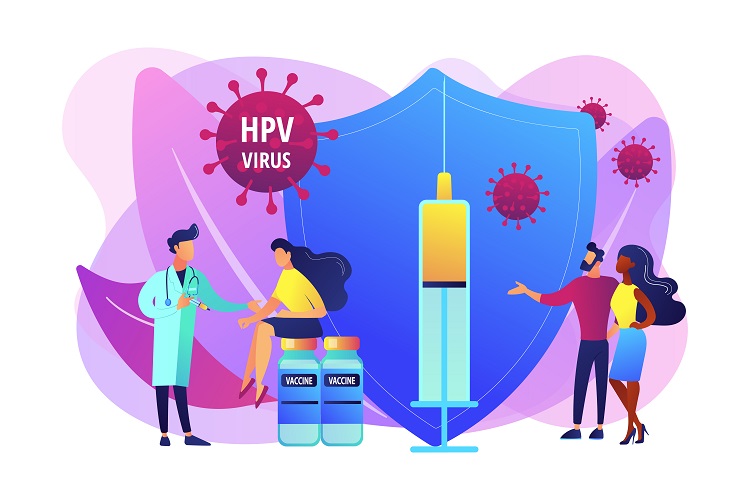
“Empowering Relationships: Understanding HPV, Its Risks, and How to Navigate Your Health Together”

When discussing intimate relationships, one topic that often causes confusion and concern is Human Papillomavirus (HPV). This common viral infection can bring up fears, particularly the alarming question: Can HPV kill you? The good news is that HPV itself is usually non-fatal. While certain high-risk strains may lead to serious health issues, including types of cancer, these outcomes are preventable with the right knowledge and early intervention.

In this article, we’re here to demystify HPV, highlight its impact on health, and empower you with crucial information about prevention, detection, and available support. Knowledge is your strongest ally in ensuring peace of mind in both your sexual health and your relationships.

What Exactly is HPV?

HPV stands for Human Papillomavirus, a collective term for a group of over 200 related viruses. It commonly affects the skin and mucous membranes. Don’t be alarmed—most sexually active people will encounter at least one type of HPV during their lives, often without realizing it.

The virus is categorized into two types:

  • Low-risk HPV types cause conditions like warts but are not associated with cancer.
  • High-risk HPV types can lead to persistent infections that may develop into cancer over time.

In most instances, HPV clears on its own within a couple of years, thanks to our immune system.

How is HPV Transmitted?

The primary method of HPV transmission is through skin-to-skin contact, especially during sexual activities—whether vaginal, anal, or oral. It’s essential to know that penetration isn’t necessary for transmission, meaning HPV can be passed, even with condom use—which greatly reduces risks but doesn’t eliminate them entirely. Because many carriers show no visible signs of the virus, transmission often happens unknowingly.

Understanding the Risks: Can HPV Kill You?

The Simple Answer

HPV alone does not typically cause death. Most infections remain harmless and resolve naturally. However, high-risk HPV strains can lead to long-term complications, including cancers that can be life-threatening without timely detection and treatment.

Why Most HPV Infections Aren’t Fatal

  • Approximately 90% of HPV infections clear up on their own within one to two years.
  • Many people remain symptom-free.
  • Low-risk types of HPV do not evolve into cancer.

This means that just having HPV doesn’t guarantee serious health issues or a death sentence.

When HPV Becomes a Concern

HPV poses a health risk when:

  1. It involves a high-risk strain.
  2. The infection persists over several years.
  3. Abnormal cells form and go undetected or untreated.

Over time, persistent infection can lead to dangerous cellular changes and possibly cancer.

Cancers Associated with HPV

High-risk HPV types are linked to many cancers, including:

Cervical Cancer

  • Almost all cervical cancer cases are linked to HPV.
  • It develops slowly—often taking 10 to 20 years.
  • Regular screenings can catch precancerous changes early.

Anal Cancer

  • HPV is the leading cause of anal cancer in both genders.

Oropharyngeal Cancer

  • This affects parts of the throat, including the tonsils.
  • It is usually connected to oral HPV infection.
  • Symptoms may be noticeable only in advanced stages.

Other Associated Cancers

  • Penile Cancer: Rare but linked to HPV.
  • Vulvar and Vaginal Cancers: Primarily associated with long-term HPV infections.

These cancers can be life-threatening if caught late, underscoring the importance of prevention and early detection.

Recognizing Symptoms of HPV and Related Conditions

HPV Infection

Most people with HPV experience no symptoms.

Genital Warts

  • Small, flesh-colored or gray growths.
  • They can occur singly or in clusters.
  • Typically painless and arise from low-risk HPV types.

Signs of Possible Cancer

Symptoms may vary based on the type of cancer, but can include:

  • Abnormal vaginal bleeding
  • Persistent pelvic pain
  • Pain during intercourse
  • Chronic sore throat
  • Difficulty swallowing
  • Unexplained weight loss
  • Non-healing sores
  • Anal bleeding or discomfort

Consult a healthcare provider for any persistent or unusual symptoms.

HPV Prevention: How to Safeguard Yourself

1. HPV Vaccination

Vaccines can shield against the most harmful types of HPV known to cause cancers and genital warts.

Benefits of the Vaccine:

  • Prevents most HPV infections.
  • Significantly reduces cancer risk.
  • Safe and well-studied.
  • Effective for all genders.

Recommended Ages:

  • Optimal administration occurs between 9 and 12.
  • Recommended up to age 26.
  • Some individuals up to age 45 may still gain benefits.

2. Regular Screening

For those with a cervix:

  • Pap tests help identify early abnormal cell changes.
  • HPV tests detect high-risk virus types.
  • Regular screenings can prevent cervical cancer.

3. Safer Sexual Practices

While no method provides complete protection against HPV, the risk can be minimized by:

  • Utilizing condoms and dental dams.
  • Limiting the number of sexual partners.
  • Engaging in open conversations about sexual health.
  • Getting regular STI tests.

4. Fortifying Your Immune System

A robust immune system can help clear HPV naturally. Here are some healthy habits:

  • Balanced nutrition.
  • Regular exercise.
  • Quality sleep.
  • Avoiding smoking and excessive drinking.
  • Managing stress levels.

Addressing HPV and Emotional Health

An HPV diagnosis can evoke feelings of anxiety, fear, or shame. These emotions are completely valid. Seeking support can aid in:

  • Reducing stigma.
  • Building self-esteem.
  • Navigating uncertainty.
  • Making informed health decisions.

Finding Support and Resources

Healthcare Support

  • Contact government hospitals and clinics.
  • Consult gynecology and oncology departments.
  • Visit primary health centers and sexual health clinics.

Emotional and Peer Support

  • Join local cancer support groups.
  • Access sexual health counseling services.
  • Connect with mental health professionals.
  • Engage in online HPV and STI support communities.

Don’t hesitate to reach out to healthcare providers for guidance on suitable resources.

Conclusion

So, can HPV kill you? The reality is that HPV is rarely deadly, with most infections resolving naturally. However, untreated high-risk HPV infections can lead to cancers that become life-threatening if not addressed promptly.

The positive takeaway is clear:

  • HPV-related cancers are largely preventable.
  • Vaccination can save lives.
  • Regular screenings can catch issues early.
  • Timely treatment is effective.
  • Support is available to navigate these challenges.

Understanding, prevention, and access to care are your strongest defenses. Whether you or a loved one has questions about HPV, open conversations with healthcare providers can lead to proactive steps for long-term health.

“Reignite Passion and Connection: Discover Strategies for Midlife Relationships”

Are you navigating the complexities of midlife dating and yearning to reignite that spark of desire and emotional intimacy? If so, you’re not alone! Many individuals and couples find themselves at a crossroads in their relationships, eager to deep dive into a more fulfilling connection. Enter Andre Lazarus, a seasoned Somatic Intimacy Guide and relationship expert, who has valuable insights to share on this topic.

Discover the Secrets to Reignite Desire

On a recent episode of Last First Date Radio, Andre discussed how to foster deeper, more meaningful connections in midlife and beyond. His background in somatic practices and experience as a relationship coach—coupled with his unique transition from the military to intimacy coaching—brings a refreshing perspective on rekindling desire.

In this episode, you’ll learn:

  • The concept of embodied intimacy.
  • How long-term couples can rediscover their desire when the initial spark dims.
  • Ways to cultivate emotional safety and connection in intimate settings.

Episode Highlights & Insights

Meet Andre Lazarus:

  • As a certified intimacy coach based in Barcelona, Andre utilizes therapeutic and tantra-influenced methods to support couples and individuals.
  • He complements his coaching with online courses and free resources for those eager to explore embodied loving strategies.

Coaching Approach & Embodied Intimacy:

  • Andre emphasizes focusing on bodily sensations rather than merely cognitive or goal-oriented aspects of intimacy.
  • His coaching encourages individuals to be present, enhance their communication skills, and practice consent and boundary setting.
  • He advocates for a broader understanding of intimacy, emphasizing slow, varied, and non-goal-oriented experiences over mere physical acts.

Navigating Midlife Relationships:

  • Midlife is often a time of newfound self-awareness, prompting many to reassess their relationships.
  • For those experiencing differing sexual needs, exploring non-monogamy or relationship agreements can be a suitable option.
  • Open communication and a sense of curiosity are essential before making significant decisions about your relationship.

Starting Steps for Trauma-Informed Care:

  • For those with a history of sexual trauma, seeking trauma-informed support is crucial. A combination of talk therapy and embodied practices can be incredibly beneficial.
  • A practical first step involves listing what’s currently working versus what’s missing in your intimate life, then selecting an actionable step to take next.
  • Trust your instincts when selecting practitioners—request discovery calls and check references or testimonials to ensure you find the right fit.

Watch the Full Episode

If you’re feeling stuck in your dating journey and ready to create lasting emotional connections, don’t hesitate to reach out. Signup for a free 45-minute love breakthrough session with Sandy Weiner by visiting this link.

For additional resources, be sure to get your free download of “The Green Light Guide to Dating After 50: How to Show Interest Without Chasing” at this hyperlink.

Join our supportive community on Facebook at Your Last First Date and discover more ways to enhance your love life.

Dany Williams

Dany Williams

Typically replies within an hour

I will be back soon

Dany Williams
Hey there 👋
It’s your friend Dany Williams. How can I help you?
Start Chat with:
chat