
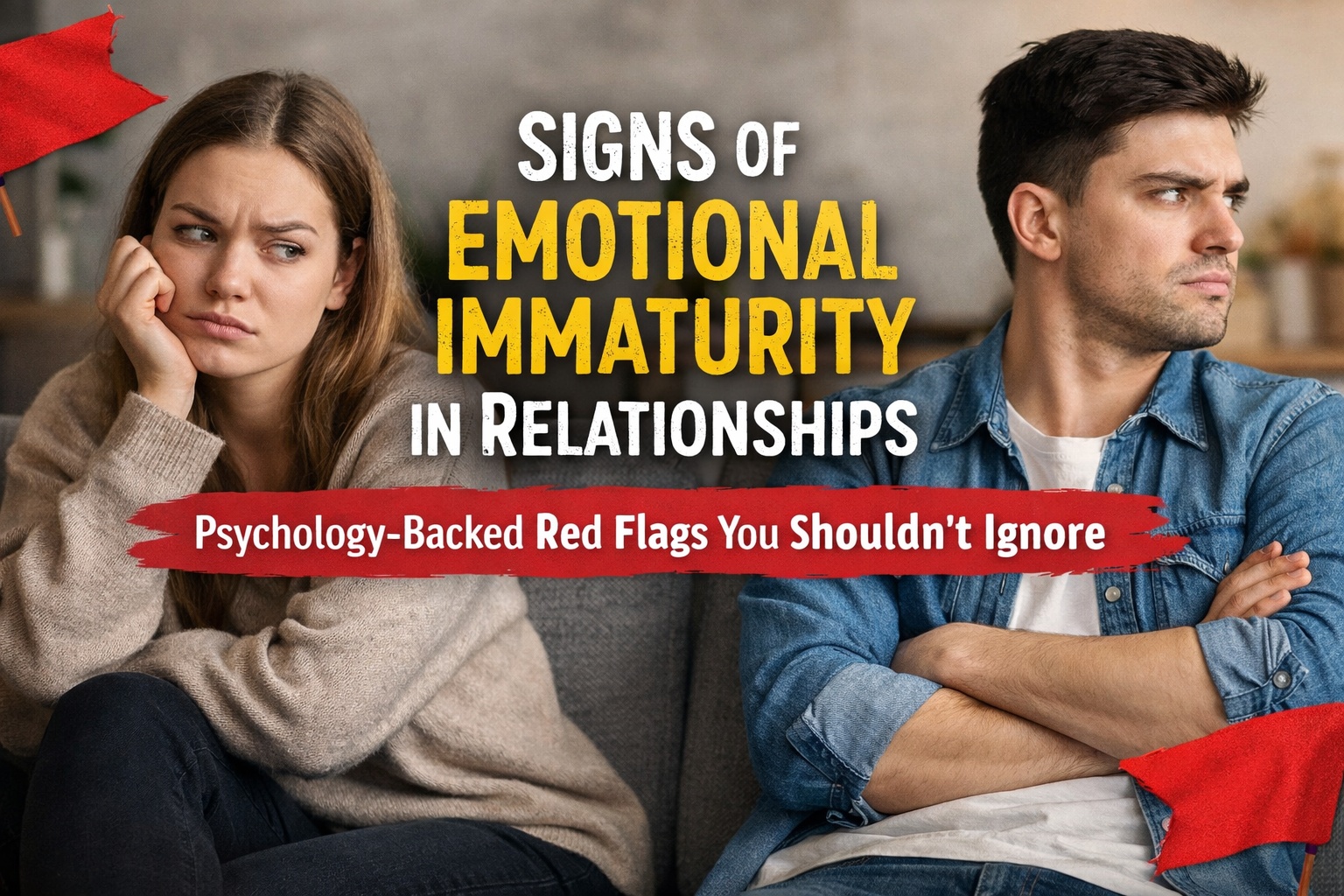
In today’s dating landscape, the topic of emotional maturity has taken center stage, especially as it relates to connecting with others. Whether you’re navigating the waters of online dating, managing the complexities of a situationship, or building a long-term commitment, understanding emotional immaturity can be crucial for safeguarding your heart and mental well-being. Recognizing the signs of emotional immaturity not only helps you protect your time and energy but also ensures you’re making space for more fulfilling relationships.
This guide dives into what emotional immaturity really means, how it manifests in relationships, and the long-term effects it can have if left unchecked. Let’s unpack the psychology behind emotional maturity and discover how to identify behaviors that could signal a deeper issue.
Understanding Emotional Immaturity
Emotional immaturity describes the struggle to manage emotions, handle conflicts, take accountability, and empathize with others. A mature adult is capable of:
- Reflecting on feelings rather than reacting impulsively
- Taking responsibility for their actions
- Tolerating discomfort without shifting blame
- Communicating needs clearly and respectfully
When these skills are lacking, it often leads to difficulties in relationships.
Top Signs of Emotional Immaturity
1. Avoidance of Tough Conversations
Emotionally immature individuals often shut down, deflect, or disappear when conflict arises. Instead of saying, “That hurt me. Can we talk about it?” they ghost, change the subject, or minimize your feelings. Research indicates that avoiding conflict can lead to unresolved issues, resentment, and eroded intimacy.
2. Blame Shifting
For emotionally immature people, nothing is ever their fault. A bad day at work? Blame the boss. Relationship issues? You’re too sensitive. Patterns of avoiding personal accountability are classic signs of emotional immaturity, as mature partners recognize that growth requires self-reflection.
3. Difficulty with Emotional Regulation
Small triggers can provoke explosive reactions in emotionally immature individuals. They often skip the crucial step of pausing to process their emotions before reacting, which can destabilize relationships.
4. Need for Constant Validation
While reassurance is natural, emotional immaturity manifests as excessive dependence on external validation. They might constantly seek affirmation of their worth, which can create imbalances in a relationship.
5. Evading Responsibility
An emotionally immature partner may resist apologizing or compromising and often expects others to shoulder the emotional weight of the relationship without contributing equally.
6. Lack of Empathy
Empathy involves understanding and caring about others’ feelings. If a partner struggles to empathize, it often indicates a level of emotional underdevelopment, impacting relationship satisfaction.
7. Playing Games Instead of Communicating
- Engaging in hot and cold behavior
- Using jealousy tactics
- Testing your loyalty
Instead of clear communication, emotionally immature individuals manipulate circumstances to provoke reactions, which leads to confusion and frustration.
8. Fear of Commitment
Many emotionally immature individuals resist commitment but are unwilling to acknowledge this fear. Commitment requires emotional readiness, and without it, relationships can stagnate.
9. Inability to Handle Criticism
Even gentle feedback can feel like a personal attack to them. Instead of listening, they might become defensive, counterattack, or withdraw emotionally, missing out on opportunities for growth.
10. Repeating Patterns
Without self-awareness, emotionally immature individuals can find themselves trapped in the same unhealthy relationship cycles. Emotional growth requires reflection and change, and without these, they remain stuck.
The Importance of Recognizing Emotional Immaturity in Dating
In modern dating, emotional maturity has never been more attractive. While chemistry can ignite sparks, long-term compatibility relies on deeper qualities such as emotional regulation, accountability, empathy, and clear communication. These traits are better indicators of relationship satisfaction than mere surface-level attraction.
Can Emotional Immaturity Change?
Yes, but change is only possible if the person recognizes their emotional shortcomings. Emotional maturity evolves through self-awareness and effort, but it cannot be forced by a partner.
Final Thoughts: Safeguarding Your Emotional Well-being
Feeling drained or like you’re parenting your partner? You may be facing emotional immaturity rather than a compatibility issue. Healthy relationships shouldn’t feel like a constant emotional burden. They should be stable, reciprocal, and most importantly, drama-free. By learning to spot the signs early, you can prioritize your emotional health and create space for more fulfilling connections.