
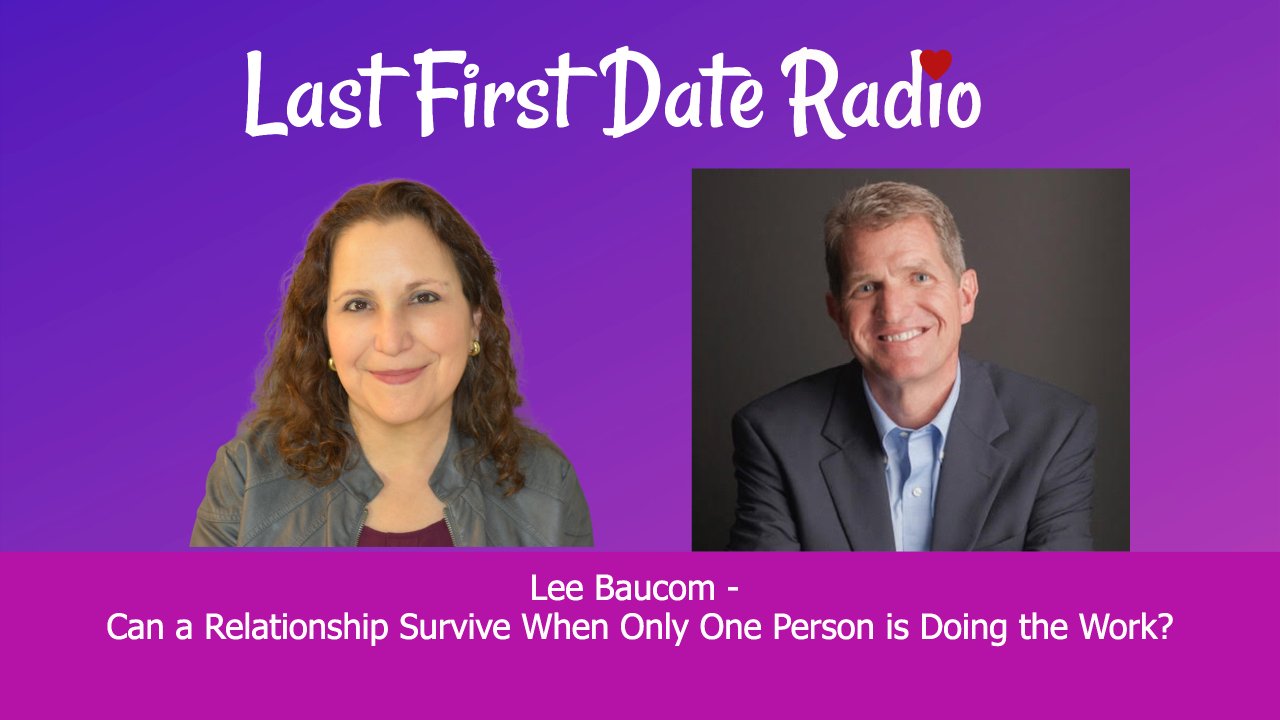
Have you ever wondered if a relationship can survive when only one partner is putting in the effort? This poignant question is at the heart of Dr. Lee Baucom’s insights, developed over three decades of helping individuals transition from unresponsive marriages to compassionate, fulfilling relationships—even when only one partner is committed to making it work.
Understanding One-Sided Relationships
In this enlightening discussion on the “Last First Date” podcast, we delve into the vital signs of a one-sided relationship and what can be done when the emotional load seems unevenly distributed. Here are some key points to consider:
- Identify the Signs: If you’re dating and feel the relationship is lacking balance, note whether you find yourself carrying the emotional burden. This can manifest as planning everything solo or feeling resentful when your partner doesn’t match your enthusiasm.
- Patterns of Contribution: In long-term relationships, it’s critical to recognize both hidden and overt contributions, as one partner may overestimate their engagement level.
Understanding the Dynamics
Several factors contribute to a one-sided relationship:
- Childhood Influences: Early experiences can shape who ends up taking on emotional labor.
- Advice Resistance: Sometimes, one partner’s well-meaning efforts to help can be mistakenly shut down.
- Chaser-Spacer Dynamic: Often, pursuing closeness can lead to the other partner feeling the need to distance themselves.
- Pause-Button Effect: After the initial attraction, couples may neglect nurturing their connection.
Reconnecting in Uneven Partnerships
If you find yourself in a one-sided relationship, here are some practical strategies to help restore balance:
- Reality Check: Take a moment to assess whether you might be overlooking your partner’s contributions.
- Modify Expectations: Reducing criticism while making agreements can pave the way for a healthier dynamic.
- Gradual Reconnection: Introduce light and pressure-free activities to rekindle connection.
- Target Three Levels: Aim to connect physically (through touch), emotionally (through listening and validation), and spiritually (by sharing values and fears).
- Small Steps: Consider incremental, low-pressure efforts rather than overwhelming interventions.
Coaching vs. Therapy
When it comes to navigating relationship challenges, both coaching and therapy can play critical roles. Marital therapy often yields limited statistical success, while coaching tends to keep the focus on actionable outcomes. It’s important to evaluate potential partners based on compatibility in values and day-to-day functioning.
To explore more on this topic, don’t miss the enlightening insights from Dr. Lee Baucom. You can watch the full episode on YouTube [here](https://www.youtube.com/watch?v=RNpTfDyUBaA).
For additional support, consider subscribing to the “Last First Date Radio” podcast, and apply for free coaching opportunities. Plus, check out our free guide, “The Green Light Guide to Dating After 50,” to help navigate the dating scene with confidence.
If you’re feeling stuck in your dating journey, I invite you to sign up for a complimentary 45-minute love breakthrough session to explore your path to finding lasting love.