Love in the Arab World: Challenges and Triumphs in Matchmaking

In our rich Arab culture, marriage is celebrated as a sacred bond that encompasses deep commitment, mutual respect, and the formation of families rooted in shared values. Traditional Arab matchmaking plays a vital role in ensuring that individuals find suitable partners, aligning with familial and community expectations while adhering to Islamic principles. Here, we explore the significance of halal matchmaking in fostering serious relationships built on trust and compatibility.

The Essence of Marriage

Marriage in Arab culture is not merely a union of two individuals, but rather a partnership that brings together two families. This sacred institution is revered and respected, making it essential to approach matchmaking with seriousness and intention. A successful marriage is rooted in shared values, mutual understanding, and a commitment to nurturing a loving and supportive home.

Family Involvement: A Crucial Component

In traditional Arab society, family plays an integral role in the matchmaking process. Families often take on the responsibility of introducing potential spouses, ensuring that both parties are compatible with their cultural and religious values. This involvement not only helps to ease the journey toward marriage but also fosters trust and respect among families and individuals alike. It is essential that both families engage openly and transparently, discussing expectations and values before moving forward.

Compatibility and Shared Values

When considering potential partners, it is crucial to evaluate compatibility beyond mere physical attraction. Key factors include shared beliefs, life goals, and family values. Understanding each other’s upbringing and cultural backgrounds often provides insight into how partners will navigate their life together. Additionally, qualities such as respect, modesty, and commitment should be at the forefront when assessing suitability for marriage.

Trust as the Foundation

Trust is paramount in any relationship, particularly in the context of marriage. Establishing a foundation of trust requires open and honest communication throughout the matchmaking process. This includes discussing expectations, future aspirations, and family dynamics. When both partners are transparent with each other, they can build a healthy relationship characterized by mutual respect and understanding.

Building a Life Together

Once a suitable match has been found, the journey toward marriage begins in earnest. This journey should focus on preparation for a shared life, emphasizing the importance of partnership in overcoming challenges together. It is vital to approach this stage with a mindset of long-term commitment, fostering a relationship that prioritizes growth, love, and support.

Concluding Thoughts

As we navigate the beautiful tradition of Arab matchmaking, it is essential to uphold the values of respect, modesty, and commitment at every stage. By fostering deep connections rooted in family involvement, compatibility, and trust, individuals can embark on meaningful journeys toward marriage. Ultimately, halal matchmaking is about building lasting relationships that honor cultural heritage and Islamic principles, ensuring a strong foundation for future generations.

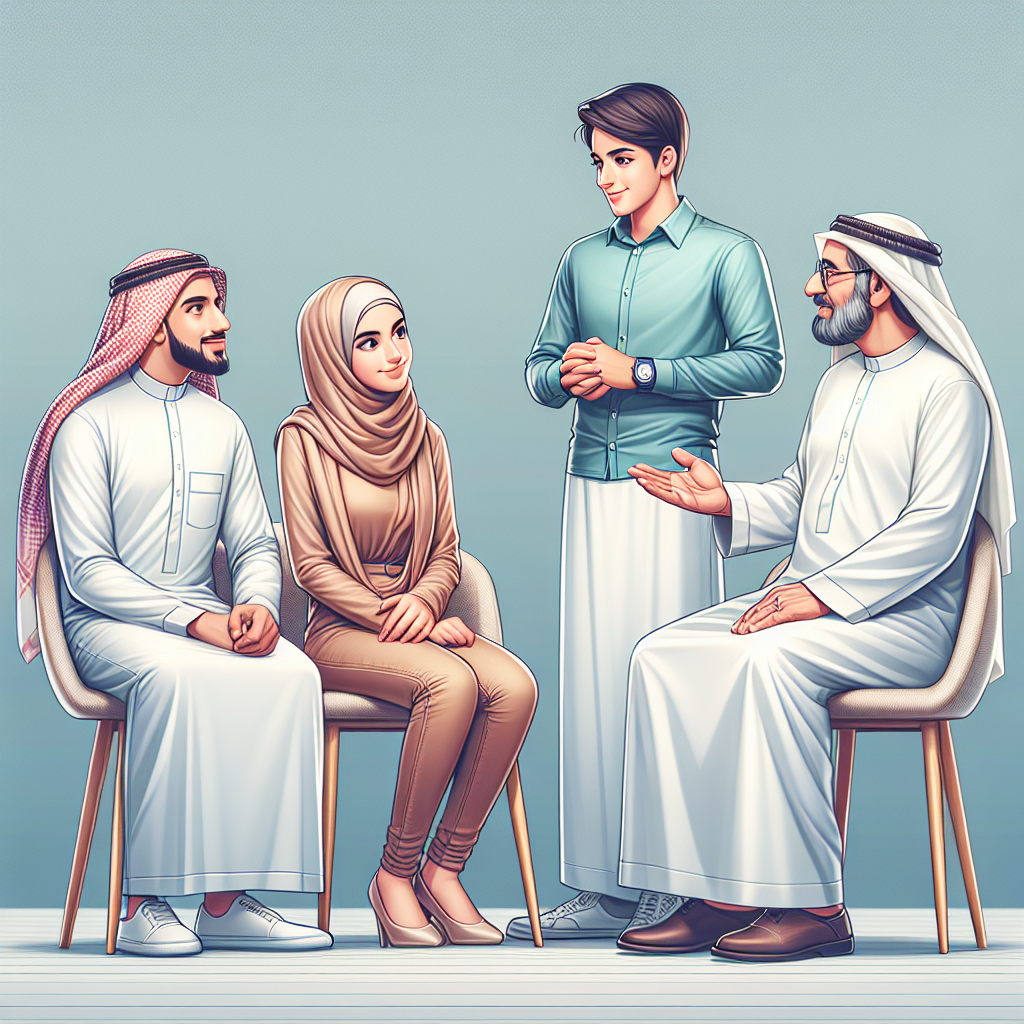
Finding Mr. or Ms. Right: A Journey Through Arab Matchmaking Rituals

Marriage in Arab culture is a sacred institution that embodies deep-rooted family values and a strong commitment to building lasting relationships. Traditional matchmaking serves as a guiding principle, focusing on compatibility, trust, and mutual respect. In this article, we will explore the essence of halal matchmaking and the importance of family involvement in fostering strong, respectful relationships grounded in Islamic values.

The Importance of Marriage

Marriage in Islamic tradition is more than just a legal contract; it is a partnership built on love, respect, and responsibility. It signifies a commitment to support one another financially, emotionally, and spiritually. This commitment is not only between the couple but also extends to both families, creating a supportive network.

Compatibility: The Key to a Lasting Relationship

When seeking a potential spouse, compatibility is essential. This includes shared values, religious beliefs, and life goals. It is important for families to discuss these factors openly, ensuring that both parties are aligned in their vision for the future. Traditional matchmaking often involves family meetings where both sides can assess the suitability of the match based on these important criteria.

Family Involvement: A Cornerstone of Tradition

Family plays a crucial role in the matchmaking process. Parents and elder family members are often involved in finding a suitable partner, as they understand the values and traditions that shape their children’s lives. Their guidance can provide reassurance and wisdom, ensuring that the chosen partner is trustworthy and respectful.

Respect and Modesty in Relationships

Respect and modesty are fundamental values in Arab culture. This means approaching relationships with sincerity and honor. Communication should always be conducted with respect, ensuring that both parties feel valued and safe. Engaging in open discussions about intentions and expectations can lead to a stronger bond and a more profound understanding of one another.

Commitment to a Shared Future

A successful marriage requires a long-term commitment. Both individuals should be prepared to invest time and effort to nurture their relationship while facing challenges together. It is essential to build a foundation based on trust and mutual support, creating a partnership that can thrive through life’s ups and downs.

Conclusion

In conclusion, traditional Arab matchmaking highlights the beautiful intersection of family values, commitment, and respect. By focusing on compatibility, involving family in the process, and fostering a relationship built on trust and understanding, couples can create a strong and fulfilling marriage. Embracing these principles ensures that relationships are not only meaningful but also aligned with cultural and religious values that honor the sanctity of marriage.

Modern Romance: How Young Arabs Are Redefining Matchmaking Traditions

In the intricate tapestry of Arab culture, matchmaking holds a special place, woven with threads of tradition, family values, and a deep respect for commitment. This approach to relationships emphasizes the importance of marriage as a sacred bond, where compatibility and mutual respect pave the way for a successful partnership. In this article, we explore the fundamentals of halal matchmaking, shedding light on the significance of family involvement, trust, and commitment in nurturing strong, stable relationships.

The Essence of Marriage in Arab Culture

Marriage is regarded as a significant milestone in one’s life. It is not merely about the union of two individuals but rather the coming together of two families. In Arab traditions, this collective approach reinforces the importance of family bonds, ensuring that both partners enter into a relationship with the support and blessings of their families.

Compatibility and Shared Values

When seeking a potential spouse, compatibility goes beyond shared interests—it involves aligning on core values, beliefs, and life goals. Parties should discuss their expectations and aspirations openly. Such discussions foster understanding and nurture the foundation of trust that is critical in a marital relationship.

The Role of Family Involvement

Family involvement is central to the matchmaking process. Parents and elders often play an integral role in guiding the couple, providing wisdom and ensuring that cultural norms are respected. Their insights can be invaluable in identifying partners who not only share similar backgrounds but also uphold the values cherished in Arab culture.

Trust and Respect

Trust is a cornerstone of any successful relationship. In traditional Arab matchmaking, trust is built through open communication and mutual understanding. Couples are encouraged to foster respectful dialogue, honoring each other’s viewpoints and feelings. This foundation of trust enhances the connection between partners and lays the groundwork for a loving, respectful marriage.

Commitment to Long-Term Relationships

A commitment to building a lasting relationship is essential in traditional Arab matchmaking. Couples should be prepared for the responsibilities that come with marriage, viewed as a lifelong journey rather than a fleeting arrangement. This perspective encourages couples to focus on nurturing their relationship, ensuring it grows deeper over time.

Conclusion

In conclusion, traditional Arab matchmaking reflects a rich cultural heritage that is founded on principles of respect, family involvement, and genuine commitment. By prioritizing shared values and fostering trust, individuals can embark on a meaningful journey toward marital bliss. Emphasizing the sanctity of marriage, the approach ensures that relationships are not only built on love but also on mutual respect and a shared vision for the future.

The Rise of Professional Matchmakers in the Arab World

In traditional Arab culture, marriage is not only a union between two individuals but also a joining of families and a commitment to shared values and responsibilities. This sacred bond emphasizes the importance of family, respect, and long-term commitment. Through culturally respectful matchmaking, individuals can forge connections that uphold these values and honor Islamic traditions.

The Essence of Marriage in Arab Culture

Marriage is viewed as a significant milestone in life, representing a partnership grounded in love, respect, and mutual support. In Arab communities, it is often seen as a duty, not just to oneself, but to one’s family and society. This collective viewpoint reinforces the importance of seeking a partner who not only aligns with personal values but also resonates with familial expectations.

The Role of Family in Matchmaking

In traditional Arab matchmaking, the family plays a fundamental role. The involvement of parents and close relatives is essential, as they offer wisdom and guidance in the search for a suitable partner. Families often prioritize compatibility in various aspects, including religious beliefs, cultural values, and social standing. This collective approach helps ensure that both parties are well understood and respected, leading to a harmonious union.

Compatibility: The Key to a Lasting Union

Compatibility extends beyond mere attraction; it encompasses shared goals, beliefs, and lifestyles. Understanding each other’s family backgrounds, values, and expectations is crucial. This groundwork fosters trust and unity, setting the stage for a successful marriage. Couples should engage in open discussions about their hopes and aspirations, ensuring that they are aligned for a shared future.

Respect and Modesty in Relationships

In the context of Arab matchmaking, respect and modesty are paramount. These principles guide behavior and establish a framework for interactions. Communication should be conducted with integrity, wherein both partners honor each other’s values and maintain a sense of decorum. A relationship built on respect fosters understanding and strengthens the bond between partners.

The Importance of Trust and Long-Term Commitment

A successful marriage relies heavily on trust. Couples should nurture this trust through honesty, loyalty, and accountability. Long-term commitment is a cornerstone of marriage, guiding partners to navigate challenges together and fostering personal growth. The commitment to work through difficulties not only strengthens the relationship but also enhances family bonds.

For those seeking to embark on the journey of marriage, it is vital to approach traditional matchmaking with an open heart and mind. Engaging in community gatherings, attending family events, or seeking the help of a reputable matchmaker can create opportunities to meet potential partners while upholding cultural values. Patience and perseverance are essential, as meaningful connections often take time to develop.

Conclusion

In conclusion, traditional Arab matchmaking emphasizes the importance of family values, compatibility, and commitment. By fostering respect, trust, and communication, individuals can build meaningful relationships that honor their cultural heritage and align with Islamic values. As you navigate the path to marriage, remember that each step taken with intention and respect brings you closer to finding a lifelong partner who shares your dreams and aspirations.

Secrets to a Successful Match: Lessons from the Arab Love Market

In many Arab cultures, marriage is not just a union between two individuals; it is a sacred bond supported by families and deeply rooted in tradition. The process of matchmaking plays a vital role in ensuring that this bond is formed on principles of respect, compatibility, and long-term commitment. This article aims to explore the values that underpin traditional Arab matchmaking and the importance of building strong family-oriented relationships.

The Importance of Marriage in Arab Culture

Marriage is viewed as a fundamental institution in Arab societies, embodying commitments that extend beyond the couple to their families and communities. It is seen as a partnership where both individuals work together in faith and commitment to uphold family values. Such an understanding reinforces the significance of aligning one’s life goals, values, and beliefs before entering into marriage.

Compatibility and Family Involvement

When it comes to matchmaking, compatibility is key. Families play an essential role in this process, assessing not just personal attributes but also cultural, religious, and social backgrounds. Family involvement helps ensure that both parties share similar values and expectations, which can lead to a harmonious union. Parents and relatives often serve as guides, providing wisdom and insight that can lead to a well-informed decision.

Trust and Respect

Trust and respect form the cornerstone of any successful relationship. In the context of Arab matchmaking, these values are paramount. Potential partners are encouraged to engage in open and honest communication, allowing them to build a foundation of trust. This respect extends not only to each other but also to their families, showcasing the importance of kindness and understanding in every interaction.

Commitment and Long-Term Relationships

Engaging in marriage is not seen as a fleeting endeavor but as a lifelong commitment. This perspective emphasizes the responsibility that both partners take on as they navigate their shared life together. The emphasis on long-term relationships fosters a sense of duty toward nurturing the bond through mutual care and understanding, ensuring that both individuals grow together while facing life’s challenges.

Values of Modesty and Honor

In traditional Arab matchmaking, values of modesty and honor are held in high regard. These principles dictate the way individuals interact with one another before and during the courtship process. Conducting oneself with decency not only showcases one’s character but also highlights the respect one has for themselves and their future spouse. Adhering to cultural etiquette and demonstrating good manners are essential in fostering a suitable environment for marriage.

Conclusion

Traditional Arab matchmaking reflects the rich cultural heritage and values that guide family life and relationships. By focusing on compatibility, trust, respect, and long-term commitment, individuals can embark on a meaningful journey toward a fulfilling marriage. Embracing these principles allows for the creation of strong family bonds that stand the test of time, further enriching the community in which they live. As we navigate the landscape of relationships, let us remember the importance of these values in cultivating love and harmony in our lives.

Beyond the Bazaar: Exploring the Depths of Arab Marriage Traditions

In traditional Arab culture, marriage is not only a union between two individuals but also a significant bonding of families. It embodies values of respect, commitment, and long-lasting relationships. In this article, we explore the intricacies of halal matchmaking, highlighting the importance of family involvement, compatibility, and the essence of trust in building a beautiful marital journey.

The Foundation of Marriage in Arab Traditions

Marriage in Arab society is deeply rooted in cultural and religious values. It is viewed as a sacred commitment that extends beyond personal interests, emphasizing the formation of peaceful and supportive families. From the outset, the importance of mutual respect and mutual understanding is recognized, creating a strong foundation upon which the marriage can thrive.

Compatibility: The Key to a Successful Match

Identifying compatibility between potential spouses is critical in traditional matchmaking. Compatibility encompasses many aspects, including shared values, faith, family backgrounds, and personal goals. Families often play a significant role in assessing compatibility, as they provide support and guidance throughout the process. Key discussions about aspirations, traditions, and visions for the future can help ensure that both parties are aligned in their expectations.

The Role of Family in Matchmaking

Family involvement is paramount in the matchmaking process. Parents and elders often act as intermediaries, utilizing their wisdom and understanding of traditional values to guide their children in finding suitable partners. This involvement reflects the collective nature of Arab societies, where the family unit is cherished, and the blessings of both families are sought for a successful union. Engaging family members also instills a sense of accountability and support as the couple embarks on their journey together.

Commitment: A Cornerstone of Relationships

In Arab culture, commitment is a fundamental principle of marriage. It emphasizes the importance of loyalty, trust, and dedication. Individuals are encouraged to approach marriage with seriousness, understanding that it is a lifelong promise to support and uplift one another. This commitment is not only to the spouse but extends to their families and, eventually, to any children who may arise from the union. Strong, committed relationships create a nurturing environment for future generations.

Respect and Modesty: Essential Values

Respect and modesty are cornerstones of traditional Arab matchmaking. Individuals are encouraged to engage in relationships that honor their cultural values, maintaining dignity and understanding. Couples are guided to conduct themselves with grace, demonstrating respect for each other and their families. This mindset fosters an atmosphere of trust where both partners can express their thoughts and feelings candidly, further solidifying their bond.

Conclusion

Halal matchmaking within Arab culture is a profound journey rooted in family values, commitment, and mutual respect. By emphasizing compatibility and family involvement, individuals can embark on a fulfilling marriage that upholds cultural traditions and fosters long-term happiness. For those seeking to navigate this path, embracing these values ensures a respectful and enriching experience as they build their futures together.

The Art of Matching: Insights from Top Arab Matchmakers

This article explores the rich tradition of matchmaking within Arab culture, emphasizing the importance of family values, commitment, and respectful relationships. Marriage is not merely a union between two individuals; it is a vital bond deeply rooted in family and community. In an age of rapid societal change, understanding these values is crucial for nurturing meaningful and long-lasting relationships.

The Essence of Marriage in Arab Culture

Marriage is regarded as a sacred institution in Arab culture and Islamic teachings. It is viewed as a partnership that unites not just two people but two families. As such, it is essential to approach marriage with the utmost seriousness and intention. This commitment lays the foundation for a family built on trust, respect, and mutual support.

Compatibility and Family Involvement

Finding the right partner involves assessing compatibility on various levels—values, beliefs, and future goals. Families often play a significant role in this process, believing that their insight can help identify suitable match candidates. Family involvement ensures that both parties align not only individually but also within their familial contexts.

It is essential to engage family members in discussions about potential partners, as they can provide advice and support throughout the journey of finding a spouse. Their experience and wisdom often contribute to making informed decisions that respect both parties’ expectations and aspirations.

Trust and Respect as Foundations

Trust and respect form the bedrock of any successful relationship. From the outset, both partners should engage in honest communication, allowing each person to express their thoughts and feelings openly. This transparency fosters a nurturing environment where both individuals can grow together.

Respect for one another’s family traditions, cultural backgrounds, and personal values is vital. Both partners must honor their differences while cultivating a shared identity that enhances their relationship. Such mutual respect reinforces their commitment to one another, strengthening their bond through life’s challenges.

Long-Term Commitment and Modesty

In Arab culture, the emphasis on long-term commitment reflects the understanding that marriage is a journey rather than a destination. It requires ongoing effort, empathy, and dedication. Each partner should be willing to invest time and energy into nurturing their relationship, reinforcing the bonds that unite them.

Moreover, modesty plays a crucial role in this journey. It encourages both partners to approach their relationship with humility and a sense of responsibility. By upholding modest values, individuals demonstrate their seriousness about the commitment they are making, protecting their dignity and that of their partner.

Advice for a Respectful Matchmaking Process

When embarking on the journey of matchmaking, consider the following advice:

  • Involve Families Early: Allow both families to become acquainted to create a supportive environment.
  • Communicate Openly: Establish clear and transparent communication regarding intentions, aspirations, and concerns.
  • Align Values: Ensure that both individuals share core values and beliefs important for a successful marriage.
  • Seek Compatibility: Look for common ground not just in interests but also in long-term goals and family expectations.
  • Maintain Modesty: Approach the relationship with respect and humility, prioritizing dignity for both partners.

In conclusion, respectful matchmaking within Arab culture is a journey that embodies family values, commitment, and cultural traditions. By adhering to these principles, individuals can forge meaningful relationships that stand the test of time, grounded in mutual respect, trust, and love.

Cultural Connections: The Unique Practices of Arab Matchmaking

The beauty of traditional Arab matchmaking lies in its deep respect for family values and cultural principles. In a world where casual relationships often take precedence, the focus remains on fostering serious and committed partnerships grounded in mutual respect and compatibility. This article explores the significance of these values in the realm of Arab matchmaking, emphasizing the role of families and the qualities that lead to harmonious marriages.

Understanding the Importance of Marriage

Marriage in Arab culture is not merely a union of two individuals; it is a sacred bond that intertwines families and communities. It symbolizes commitment, loyalty, and a lifelong partnership. For many, it represents the first step towards building a family, which is a cornerstone of Arab values. Therefore, the process of finding a partner is taken seriously, reflecting the aspiration for a stable and secure future.

Compatibility: The Heart of Matchmaking

In traditional Arab matchmaking, compatibility goes beyond shared interests and personal traits; it encompasses the alignment of values, beliefs, and family backgrounds. Families often play a vital role in this process, helping to assess suitability based on cultural and religious principles. This collective approach ensures that both individuals understand their responsibilities and commitments, laying a strong foundation for their relationship.

Family Involvement: A Pillar of Support

The involvement of families in the matchmaking process is paramount. Parents and elders bring wisdom and experience, guiding the candidates in their quest for a partner. They often know best what qualities and values are essential for a successful marriage. By engaging families in the process, potential couples receive not only guidance but also emotional support, fostering an environment of trust and assurance.

Core Values: Respect, Modesty, and Commitment

Respect is the cornerstone of any relationship. In traditional Arab matchmaking, it entails honoring each other’s families, values, and traditions. Modesty, both in behavior and appearance, is also emphasized, as it reinforces the sanctity of the relationship. Lastly, the commitment to a lifelong partnership is a vital aspect of Arab marriage. Couples are encouraged to uphold the promises made during their union, nurturing love, understanding, and mutual support throughout their lives.

Advice for Successful Matchmaking

For those embarking on the journey of traditional matchmaking, consider the following advice:

  • Seek Guidance: Consult with family members and trusted elders who can provide insights and support.
  • Communicate Openly: Maintain honest communication with potential partners about expectations, values, and future goals.
  • Reflect on Compatibility: Take the time to assess not just personal chemistry, but also shared values and life goals.
  • Prioritize Integrity: Uphold Islamic principles and values throughout the matchmaking process.

Conclusion

Traditional Arab matchmaking is a beautiful practice rooted in respect, family values, and a commitment to lifelong partnership. By focusing on compatibility, family involvement, and fundamental values, individuals can navigate this journey with dignity and purpose. As each partnership blossoms, it symbolizes not just the union of two people, but also the merging of families and a celebration of shared cultural heritage.

From Matrimonial Ads to Apps: The Digital Transformation of Arab Matchmaking

In today’s world, the path to marriage is often complex and filled with various influences. However, for many families rooted in traditional Arab values, the principles of halal matchmaking remain a vital and respected practice. This article explores the essence of culturally appropriate matchmaking, emphasizing the significance of family involvement, commitment, and long-term relationships within an Arab context.

The Importance of Marriage in Arab Culture

Marriage is not just a union between two individuals; it is a bond that connects families and communities. In Arab culture, marriage is considered a sacred institution, integral to both personal growth and societal stability. Families play a central role in the matchmaking process, ensuring that values and traditions are preserved.

Family Involvement: A Shared Journey

In traditional Arab matchmaking, the involvement of both families is paramount. This collaboration fosters mutual respect and trust, as families gather to discuss the prospective couple’s compatibility. Parents and elders are not only trusted advisors but also guardians of cultural values, guiding the younger generation through the journey of selecting a life partner.

Seeking Compatibility

Compatibility in marriage goes beyond physical attraction; it encompasses shared values, aspirations, and lifestyles. Families often assess key factors such as religious commitment, educational background, and family reputation. These elements contribute to a strong foundation, ensuring that both partners are aligned in their goals and expectations. Long-term commitment flourishes when both individuals respect each other’s families and traditions.

Respect and Modesty

In any meaningful relationship, respect is fundamental. Arab traditions emphasize modesty, both in behavior and interaction. Young individuals are encouraged to interact with potential partners in discreet and respectful environments, often under the watchful eyes of family members. This approach helps to maintain dignity while allowing for genuine conversations, ultimately leading to a stronger connection.

Building Trust and Commitment

Trust is an essential pillar in any marriage. As families engage in the matchmaking process, open communication about values, expectations, and responsibilities is crucial. A solid foundation of trust allows couples to navigate the challenges of marriage together, reinforcing their commitment to one another.

Conclusion: A Path Toward Lasting Relationships

In conclusion, halal matchmaking within the context of Arab culture emphasizes the importance of family values, commitment, and respect. By nurturing relationships grounded in these principles, individuals can build strong, loving marriages that honor both personal aspirations and cultural traditions. Through patience and understanding, families can guide their children in finding not just a spouse, but a lifelong partner in faith, love, and companionship.

Navigating Love: How Arab Matchmakers Unite Hearts Across Borders

In many Arab cultures, the concept of marriage is not merely a union between two individuals; it signifies the joining of two families and the establishment of a lifelong commitment grounded in faith and shared values. This article delves into the importance of traditional Arab matchmaking, emphasizing family involvement, respect, and the pursuit of serious relationships.

The Foundation of Marriage

Marriage in Arab culture is esteemed as a sacred bond ordained by God. It is seen as a partnership that requires mutual respect, understanding, and commitment. Within this context, traditional matchmaking serves as a bridge to forming this vital union, allowing families to play an active role in the selection process. This involvement often results in relationships that are not only compatible but also grounded in shared cultural and religious beliefs.

Compatibility and Family Involvement

While personal preferences are important, compatibility between families is often prioritized. Factors such as education, socio-economic background, and religious commitment are discussed transparently. In this traditional model, families meet to discuss the potential match, ensuring that both parties align in values, goals, and expectations.

Family involvement fosters trust and support, which are essential in a successful marriage. By allowing families to engage in the matchmaking process, future couples can benefit from the wisdom and experience of their elders, ensuring a more stable foundation for their relationship.

Values of Respect and Modesty

Respect and modesty are core principles that permeate traditional Arab matchmaking. Young individuals are encouraged to engage in respectful courtship, which involves open communication while maintaining dignity and honor. This approach helps to create a safe environment where both partners can express their feelings, thoughts, and concerns with sincerity and without pressure.

Engaging in modest interactions not only reflects cultural values but also allows individuals to focus on what truly matters: understanding one another beyond physical attraction. The goal is to foster emotional and spiritual connections that will endure through the trials of life.

Commitment to Long-term Relationships

Traditional matchmaking emphasizes the importance of long-term commitment over fleeting relationships. The focus is on building a family unit that thrives on love, mutual support, and shared responsibilities. Once a partnership is established, the focus shifts to nurturing that relationship through continuous effort and communication.

The journey of marriage is seen as a two-way street, where both partners are dedicated to growing together. This mindset helps cultivate resilience and commitment, allowing couples to face challenges collaboratively, thus reinforcing their bond over time.

Conclusion

Ultimately, traditional Arab matchmaking is about more than just finding a partner; it is a holistic approach to building a family grounded in strong values, commitment, and mutual respect. By focusing on family involvement, compatibility, and long-term perspectives, individuals can embark on a meaningful journey towards marriage that honors their cultural and religious heritage. Embracing these practices will not only enrich their lives but also contribute to a harmonious and cohesive community.

Dany Williams

Dany Williams

Typically replies within an hour

I will be back soon

Dany Williams
Hey there 👋
It’s your friend Dany Williams. How can I help you?
Start Chat with:
chat