
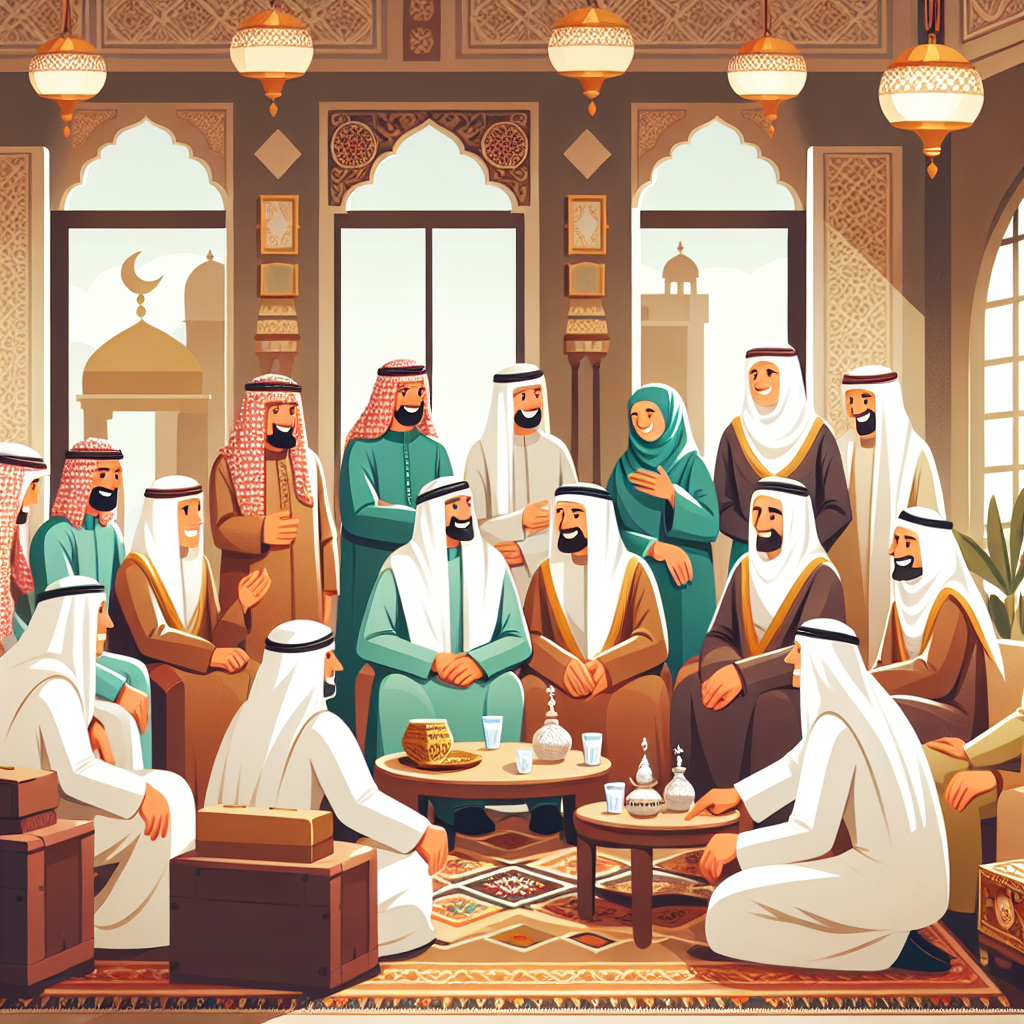
In the diverse and rich tapestry of Arab culture, the tradition of matchmaking holds a significant place, rooted in values of family, respect, and commitment. Marriage in Arab societies is more than just a union between two individuals; it is a profound covenant that intertwines families and communities. This article will explore the principles of halal, respectful matchmaking, emphasizing the importance of family involvement, the values of trust and modesty, and the pursuit of long-term commitments in forming a successful marital relationship.
The Essence of Marriage in Arab Culture
Marriage is considered a sacred institution in Islam, symbolizing a partnership built on mutual respect and love. When entering into this sacred bond, it is vital to focus on compatibility, shared values, and vision for the future. It is not merely about personal desire but involves the consolidation of families and the nurturing of future generations.
Family Involvement in Matchmaking
In traditional Arab matchmaking, family plays an indispensable role. Parents and elder relatives often engage in discussions about potential matches, using their wisdom and experience to guide younger generations. This involvement fosters a sense of security and alignment with familial values. It is essential to communicate openly with family members about personal aspirations and expectations from a partner, ensuring that each party has a clear understanding of what is sought in marriage.
Values of Respect and Modesty
Respect and modesty are cornerstones of healthy Arab relationships. Establishing a meaningful connection begins with mutual respect, where both partners appreciate each other’s strengths and virtues. Modesty is also key, reflecting a commitment to observing cultural norms and values. Couples should aim to build their partnership on a foundation of trust, ensuring that their interactions and intentions reflect their dedication to each other and to their families.
Commitment to Long-Term Relationships
In Arab culture, marriage is viewed as a lifelong commitment. Therefore, prospective partners should approach the matchmaking process with sincerity and seriousness. When both individuals are committed to nurturing their relationship, it paves the way for a harmonious life together. Open communication is crucial, emphasizing the importance of discussing mutual goals, aspirations, and responsibilities within the marriage.
Advice for Successful Matchmaking
1. **Prioritize Communication**: Clear and honest conversations about intentions and expectations can help in aligning values and visions.
2. **Seek Compatibility**: Focus on potential partners who share your cultural, religious, and personal values to build a strong foundation.
3. **Involve Your Family**: Engage family members in the matchmaking process to gain their insights and build supportive relationships.
4. **Honor Traditions**: Embrace cultural customs and rituals that are significant in your community, as they enhance the experience of matchmaking and marriage.
Conclusion
Traditional Arab matchmaking encapsulates a deep respect for family values, commitment, and the sanctity of marriage. By fostering connections based on compatibility, trust, and shared aspirations, individuals can ensure that their journey toward marriage is both fulfilling and culturally respectful. Embracing these principles will ultimately lead to the establishment of strong, loving, and lasting partnerships that honor the sacred bond of marriage.