In traditional Arab culture, marriage is not only a union between two individuals but also a significant bonding of families. It embodies values of respect, commitment, and long-lasting relationships. In this article, we explore the intricacies of halal matchmaking, highlighting the importance of family involvement, compatibility, and the essence of trust in building a beautiful marital journey.
The Foundation of Marriage in Arab Traditions
Marriage in Arab society is deeply rooted in cultural and religious values. It is viewed as a sacred commitment that extends beyond personal interests, emphasizing the formation of peaceful and supportive families. From the outset, the importance of mutual respect and mutual understanding is recognized, creating a strong foundation upon which the marriage can thrive.
Compatibility: The Key to a Successful Match
Identifying compatibility between potential spouses is critical in traditional matchmaking. Compatibility encompasses many aspects, including shared values, faith, family backgrounds, and personal goals. Families often play a significant role in assessing compatibility, as they provide support and guidance throughout the process. Key discussions about aspirations, traditions, and visions for the future can help ensure that both parties are aligned in their expectations.
The Role of Family in Matchmaking
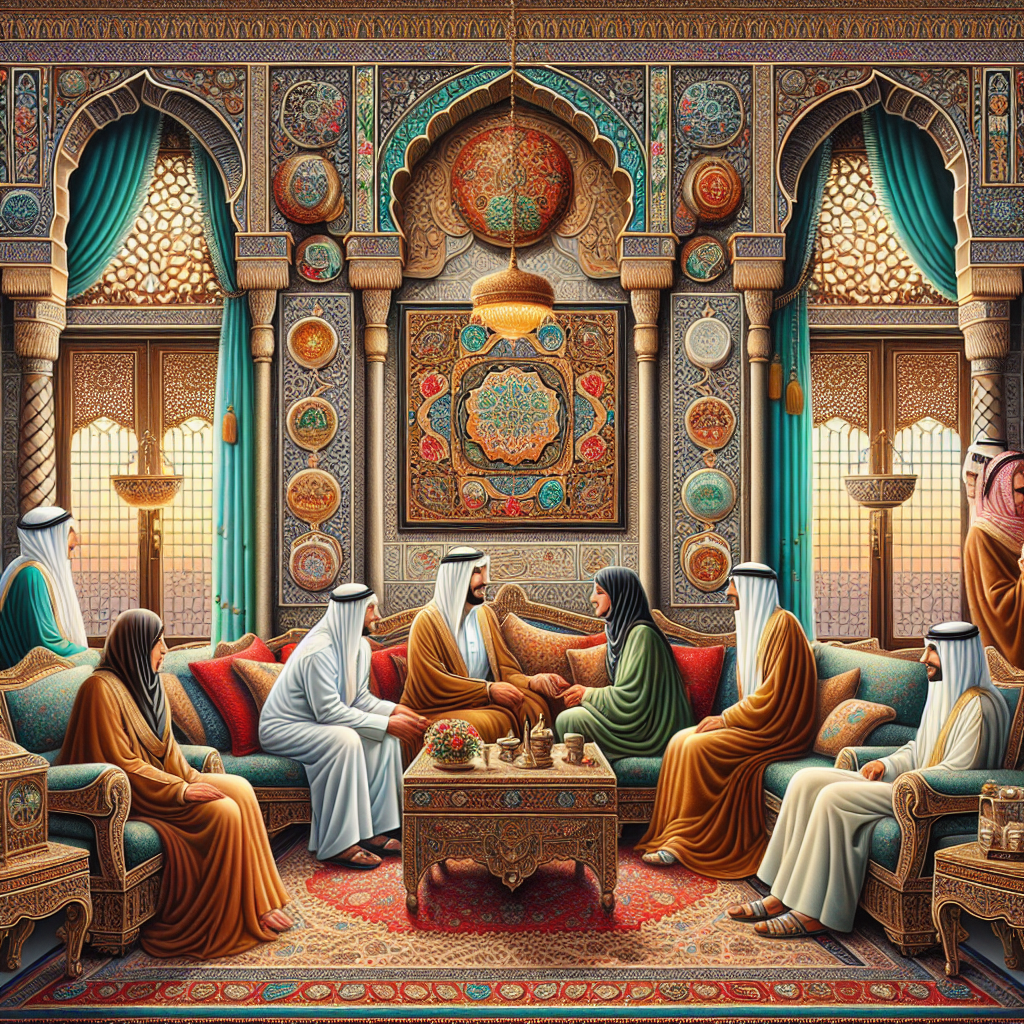
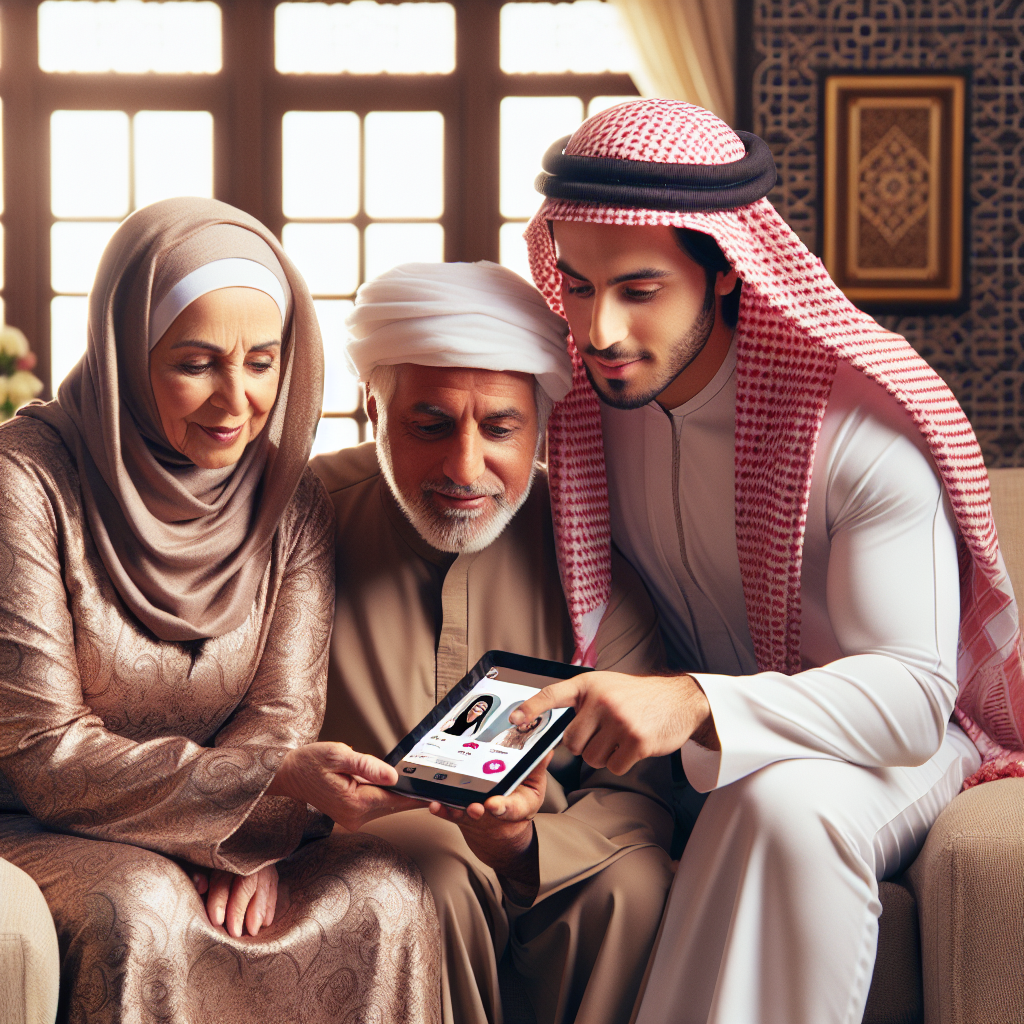
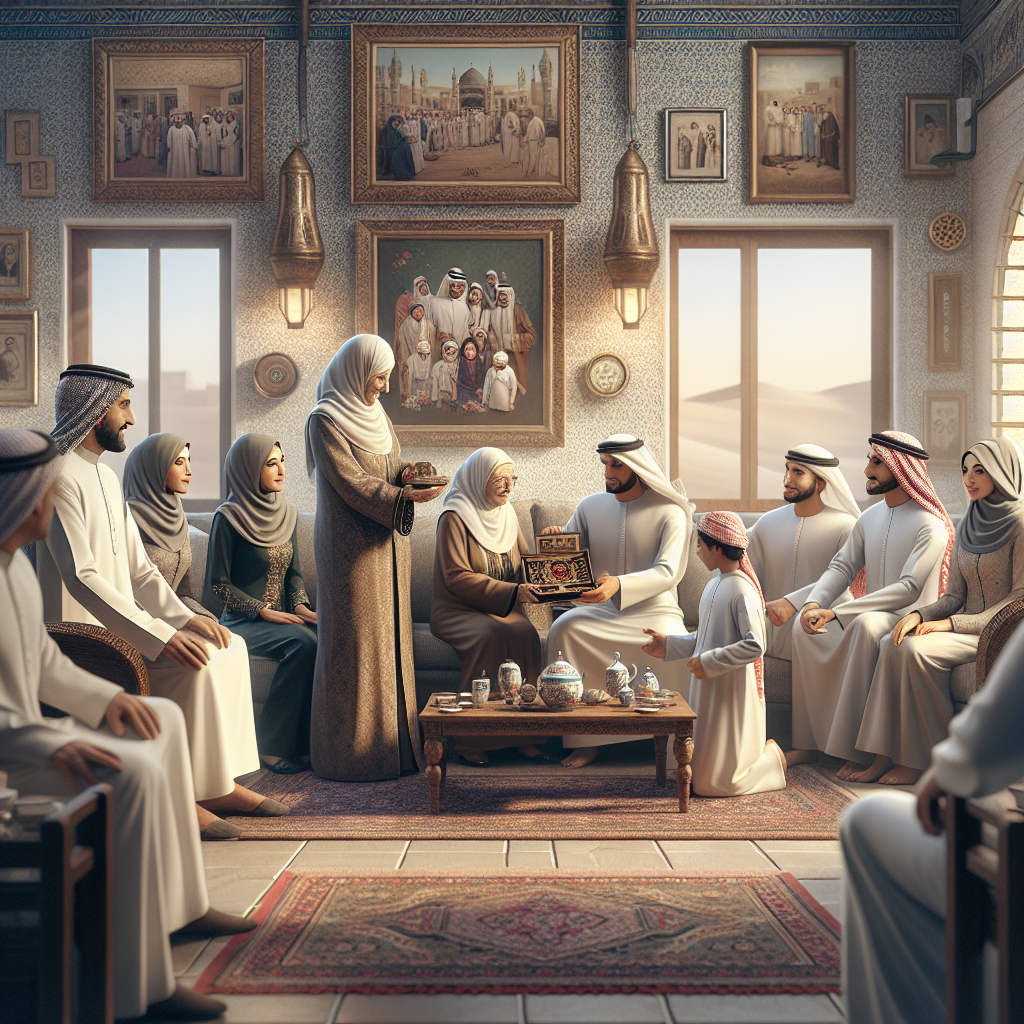
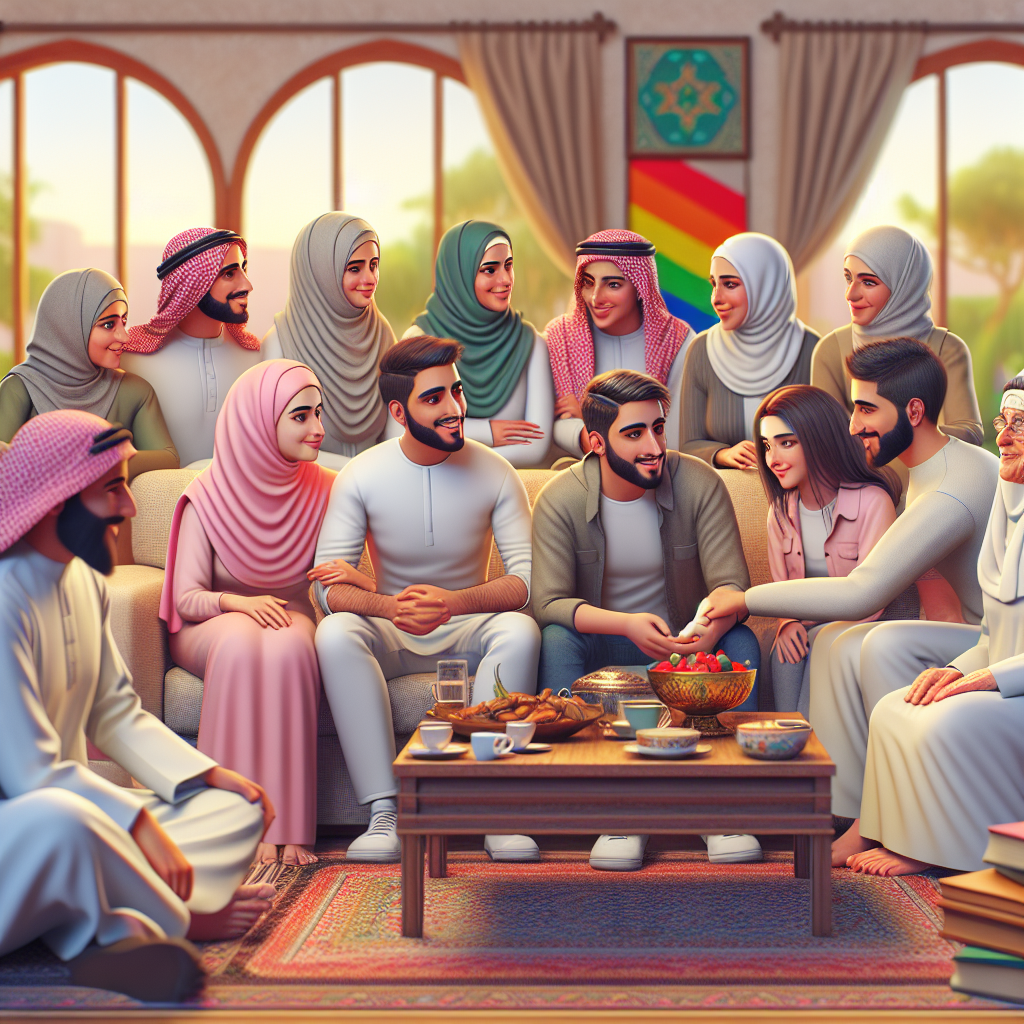
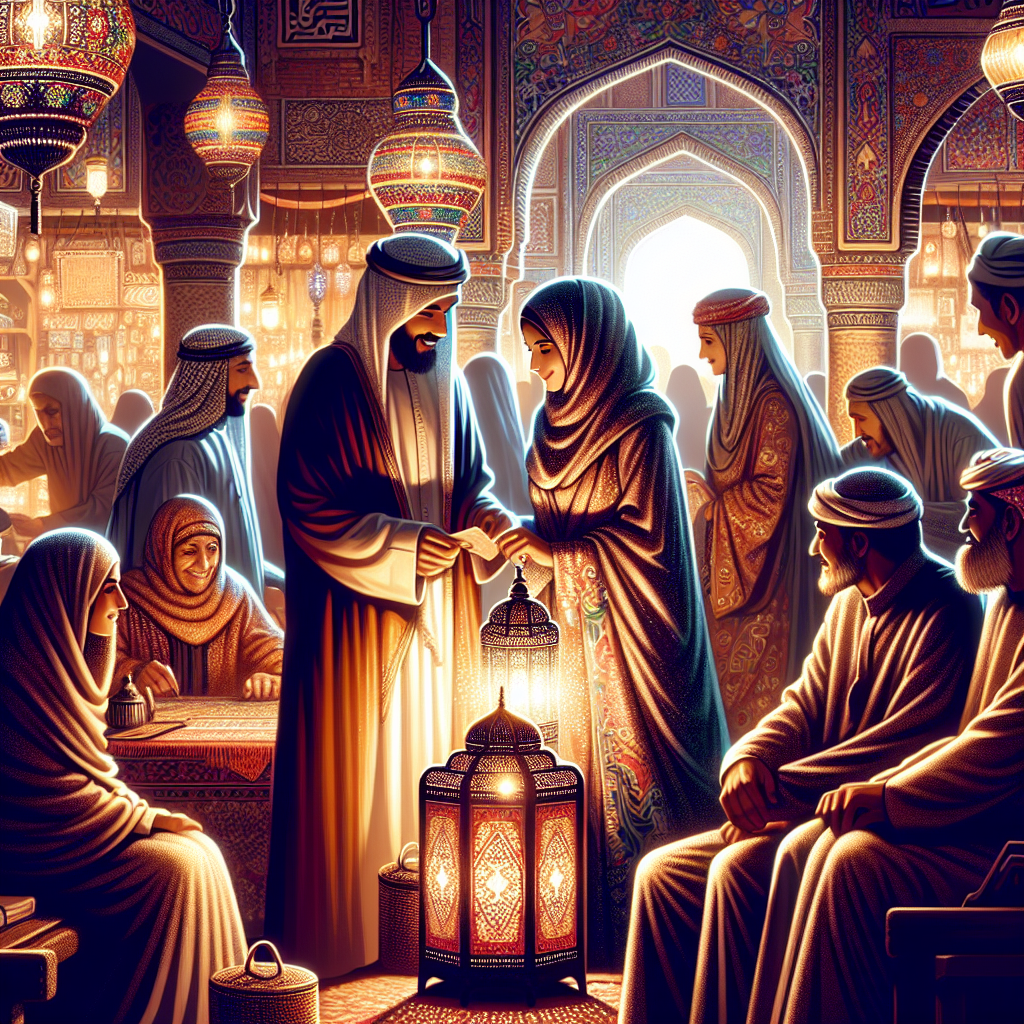
Family involvement is paramount in the matchmaking process. Parents and elders often act as intermediaries, utilizing their wisdom and understanding of traditional values to guide their children in finding suitable partners. This involvement reflects the collective nature of Arab societies, where the family unit is cherished, and the blessings of both families are sought for a successful union. Engaging family members also instills a sense of accountability and support as the couple embarks on their journey together.
Commitment: A Cornerstone of Relationships
In Arab culture, commitment is a fundamental principle of marriage. It emphasizes the importance of loyalty, trust, and dedication. Individuals are encouraged to approach marriage with seriousness, understanding that it is a lifelong promise to support and uplift one another. This commitment is not only to the spouse but extends to their families and, eventually, to any children who may arise from the union. Strong, committed relationships create a nurturing environment for future generations.
Respect and Modesty: Essential Values
Respect and modesty are cornerstones of traditional Arab matchmaking. Individuals are encouraged to engage in relationships that honor their cultural values, maintaining dignity and understanding. Couples are guided to conduct themselves with grace, demonstrating respect for each other and their families. This mindset fosters an atmosphere of trust where both partners can express their thoughts and feelings candidly, further solidifying their bond.
Conclusion
Halal matchmaking within Arab culture is a profound journey rooted in family values, commitment, and mutual respect. By emphasizing compatibility and family involvement, individuals can embark on a fulfilling marriage that upholds cultural traditions and fosters long-term happiness. For those seeking to navigate this path, embracing these values ensures a respectful and enriching experience as they build their futures together.