
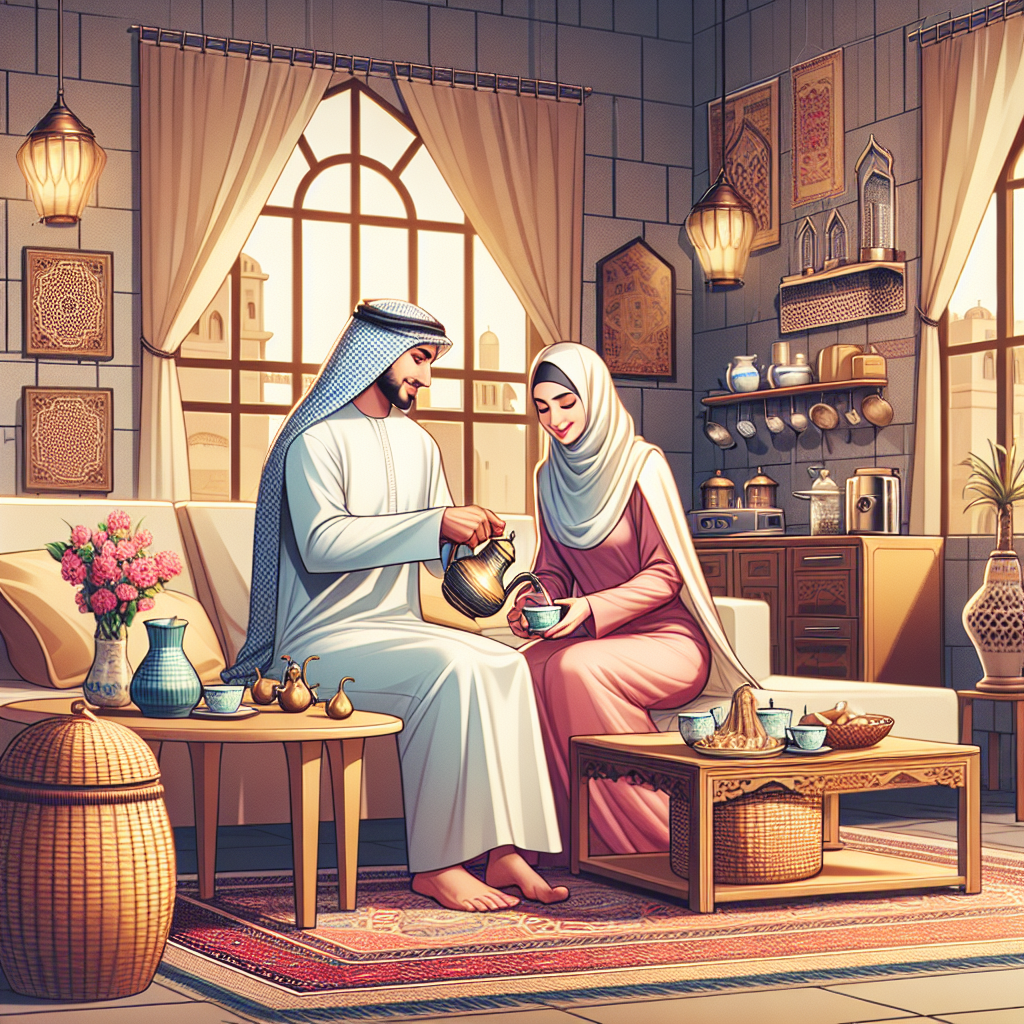
In many Arab cultures, marriage is viewed not just as a union between two individuals, but as a vital connection that binds two families together. This understanding of marriage is rooted in deep-seated values of respect, trust, and commitment, making matchmaking within these communities a thoughtful and culturally rich process. In this article, we will explore the traditional aspects of halal matchmaking, emphasizing family involvement, compatibility, and values that nurture lasting relationships.
The Essence of Marriage in Arab Culture
Marriage in Arab society is often seen as one of the most significant milestones in a person’s life. It is more than a personal choice; it embodies a collective commitment from families and communities. The union is regarded as a sacred bond that thrives on mutual respect and understanding, and it is built on the foundation of Islamic principles that guide behavior and relationships. The significance of family values in this context cannot be overstated, as they play a critical role in the decision-making process surrounding marriage.
Family Involvement in Matchmaking
In traditional Arab matchmaking, families play an integral role in the selection of a suitable partner. This involvement is not solely about finding a match but also ensures that the prospective couple shares common values, goals, and religious beliefs. When families actively engage in the matchmaking process, they also provide support and wisdom garnered from their experiences, which helps to strengthen the future marriage.
In many cases, initial introductions take place through family gatherings or community events, allowing potential partners to meet in a respectful and supervised environment. This approach promotes a sense of security and trust—key ingredients for any successful relationship.
Compatibility and Character
When considering a potential spouse, compatibility is essential. Families assess various attributes, including ethical values, educational background, and personal character. Traits such as kindness, loyalty, and faithfulness are highly valued, as they contribute to a nurturing and supportive partnership. Additionally, shared interests and mutual values can create a strong foundation for future interactions and family life.
It is crucial for both partners to be honest about their intentions and expectations. Open communication between the couple and their families fosters an atmosphere of transparency and trust, vital for a successful and fulfilling marriage.
Respect and Modesty
Respect and modesty are cornerstones of halal relationships. This involves treating potential partners with dignity and maintaining boundaries that align with Islamic teachings. Young individuals are encouraged to be introspective and respectful in their interactions. By embracing modesty, they can establish a healthier dynamic that allows for sincere communication and a deeper understanding of one another.
Long-Term Commitment and Responsibility
Marriage is a long-term commitment that requires dedication and resilience. Unlike fleeting relationships, traditional matchmaking emphasizes the importance of preparing for the future as a couple and as a family. This involves discussing responsibilities, roles, and aspirations beyond the wedding day. Couples should be encouraged to engage in discussions about their shared goals, whether related to family planning, career paths, or community involvement.
Conclusion
Traditional Arab matchmaking offers a pathway rooted in respect, commitment, and family values. By prioritizing family involvement, compatibility, and ethical behavior, individuals can embark on meaningful relationships that honor their cultural heritage. This holistic approach not only paves the way for successful marriages but also cultivates a nurturing environment where love and trust can flourish, allowing families to grow in unity and strength.