
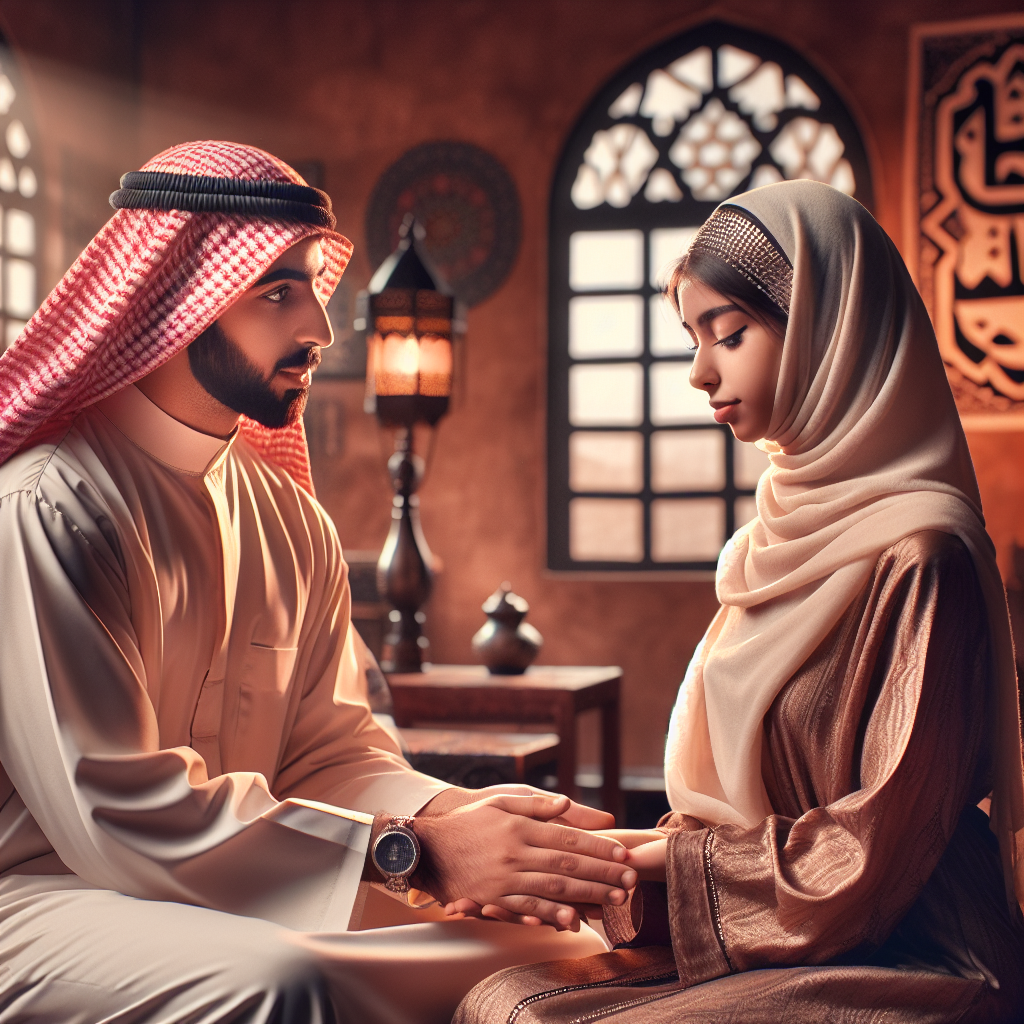
In many traditional Arab cultures, the importance of marriage is deeply woven into the fabric of society. It is viewed not merely as a union between two individuals, but as a commitment between families that fosters strong familial bonds and mutual respect. Traditional matchmaking provides a respectful and culturally appropriate pathway for finding a life partner, aligning with Islamic values while emphasizing the significance of family involvement, compatibility, and trust.
The Essence of Marriage in Arab Culture
Marriage in Arab culture is often regarded as a sacred duty, heavily influenced by family values and religious principles. It is seen as a means of fulfilling one’s responsibilities to oneself, one’s family, and, importantly, to God. This commitment goes beyond mere companionship; it symbolizes a lifetime partnership grounded in mutual respect, love, and shared values.
The Role of Family in Matchmaking
Family involvement is a cornerstone of traditional Arab matchmaking. Elders play a pivotal role in facilitating connections, guiding the younger generation toward suitable partners according to cultural and religious standards. Families often have a significant say in the matchmaking process, ensuring that candidates are not only compatible in terms of personal values but also share similar backgrounds and beliefs, thus reinforcing familial ties and community cohesion.
Compatibility and Shared Values
When seeking a partner, compatibility goes beyond physical attraction. It encompasses shared beliefs, life goals, and values. Important factors include mutual respect, commitment to family, and a dedication to Islamic principles. This holistic approach not only enhances the likelihood of a successful marriage but also honors the traditions that emphasize deep connections founded on understanding and common aspirations.
Trust and Respect as Foundations
Trust and respect are paramount in any relationship, but they hold particular significance in the context of Arab traditions. A respectful approach to communication and interactions lays the groundwork for a harmonious relationship. Couples are encouraged to be transparent and sincere, fostering an environment where both individuals feel valued and heard. This builds a strong foundation for a lasting marriage, where both partners can thrive.
Commitment to Long-term Relationships
The ultimate goal of traditional matchmaking is to establish a long-term bond. Marriage is a serious commitment, and both partners should view their union as an enduring journey. This commitment emphasizes shared responsibilities, emotional support, and the nurturing of each other’s growth. It is vital for aspiring couples to approach marriage with an understanding of its profound responsibilities and the promises they are making to each other and their families.
Conclusion: Embracing Tradition with Integrity
As we navigate the beautiful journey of finding a life partner, upholding traditional Arab values can lead to fulfilling and stable marriages. By embracing family involvement, respecting cultural customs, and prioritizing compatibility and commitment, individuals can find a partner who not only enriches their life but also embodies the principles that are cherished in their culture. Traditional matchmaking is more than a process; it is an opportunity to forge lifelong bonds steeped in love, respect, and shared faith.