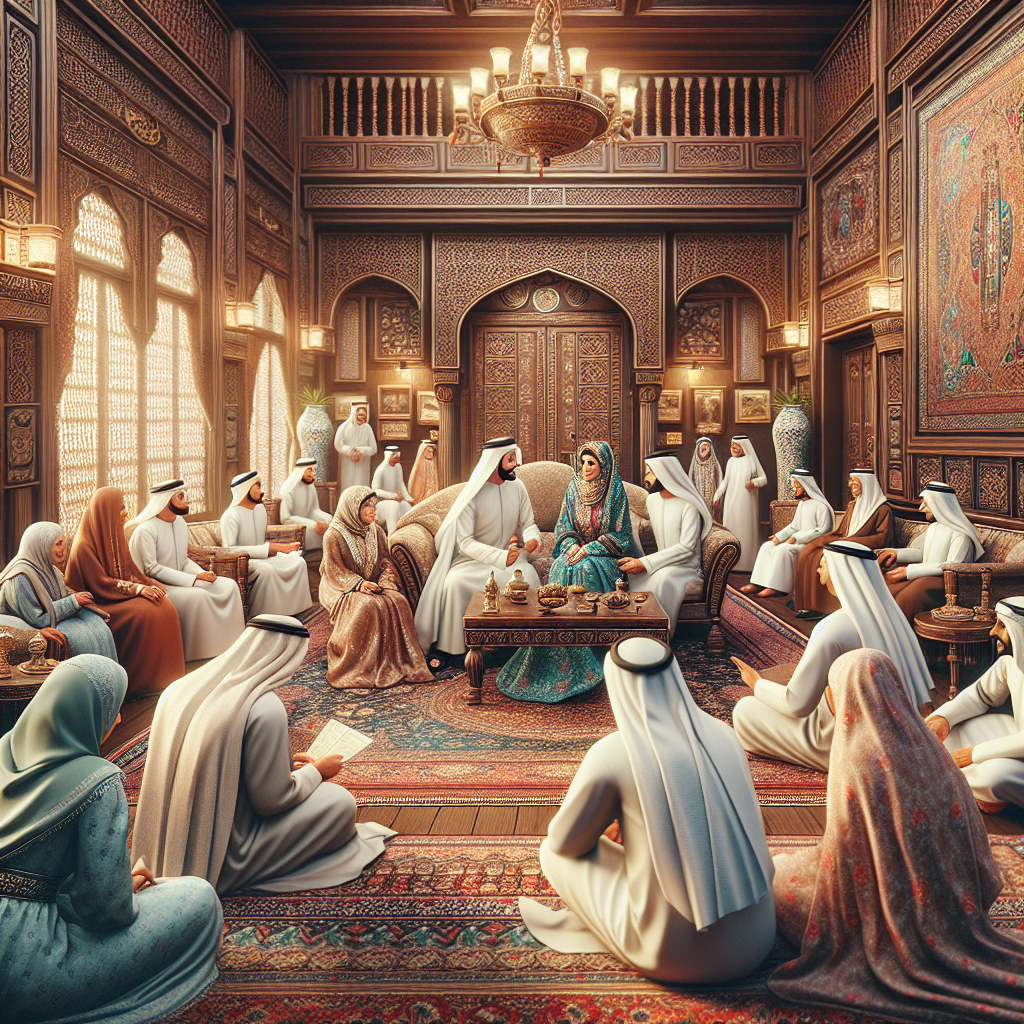

Breaking Stereotypes: Profiles of Modern Arab Singles

In the rich tapestry of Arab culture, family values and traditional matchmaking play a quintessential role in the journey towards marriage. The process of finding a life partner is steeped in respect, commitment, and a deep understanding of shared values. This approach ensures that relationships remain grounded in faith and integrity, providing a strong foundation for lasting unions.

The Importance of Family Involvement

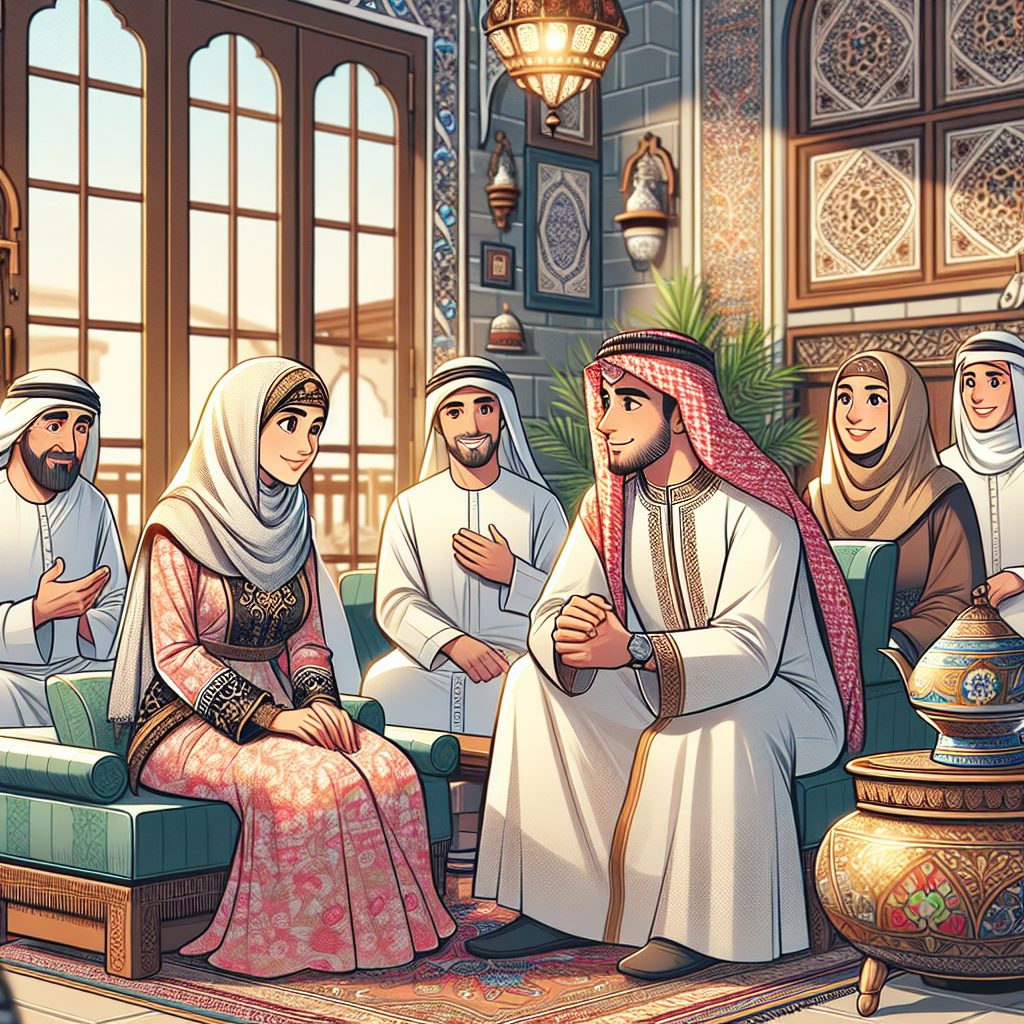
In many Arab families, the involvement of parents and elders in the matchmaking process is not just customary; it is essential. Family members provide guidance, ensuring that the candidate for marriage aligns with the family’s values and beliefs. This involvement fosters a supportive environment in which both individuals can thrive, ensuring that compatibility goes beyond mere attraction.

Parents often serve as trusted advisors, drawing upon their own experiences to help their children navigate the complex landscape of relationships. Their wisdom and perspective safeguard young individuals from making impulsive decisions, promoting patience and thoughtfulness in selecting a life partner.

Compatibility: More Than Just Attraction

While physical attraction undoubtedly plays a role in any relationship, deeper compatibility is vital for a successful union. Factors such as shared religious beliefs, values, and life goals are crucial. The concept of “kafa’ah,” or mutual compatibility, emphasizes the importance of aligning backgrounds and aspirations to ensure that couples can support one another through life’s challenges.

Assessing compatibility may include discussions about family expectations, career ambitions, and even parenting styles. Engaging in open conversations about these topics can help both individuals build a strong foundation rooted in understanding and respect.

Trust and Respect: The Cornerstones of Marriage

In any relationship, trust and respect are paramount. These values take center stage in traditional Arab matchmaking, as they are essential for cultivating a healthy and loving partnership. Couples are encouraged to communicate openly and openly, fostering an atmosphere of honesty and transparency.

Respecting each other’s boundaries, opinions, and familial obligations is integral to maintaining harmony. This mutual regard not only strengthens bonds but also prepares couples for future challenges. When partners honor each other’s individuality, it leads to a richer, more fulfilling relationship.

The Role of Modesty and Commitment

Modesty is a hallmark of Arab and Islamic values. This principle extends to how individuals conduct themselves during the matchmaking process. Engaging in respectful dialogues and maintaining appropriate interactions helps lay the groundwork for a meaningful connection.

Commitment is also central to the concept of marriage in Arab culture. Once a couple decides to embark on this journey together, the focus shifts to nurturing a lifelong partnership. This entails not only fulfilling one’s roles and responsibilities but also continuously working on the relationship through shared efforts, patience, and love.

Conclusion: A Pathway to Lasting Union

In conclusion, traditional Arab matchmaking is a beautiful and respectful process that prioritizes family, compatibility, and commitment. By focusing on these core values, individuals can find partners who resonate with their beliefs, aspirations, and goals. This thoughtful approach ensures that marriages are not only built on attraction but are also founded on mutual trust, respect, and a shared vision for the future. Embracing these principles can lead to enduring relationships that honor both partners and their families, reflecting the richness of Arab traditions.
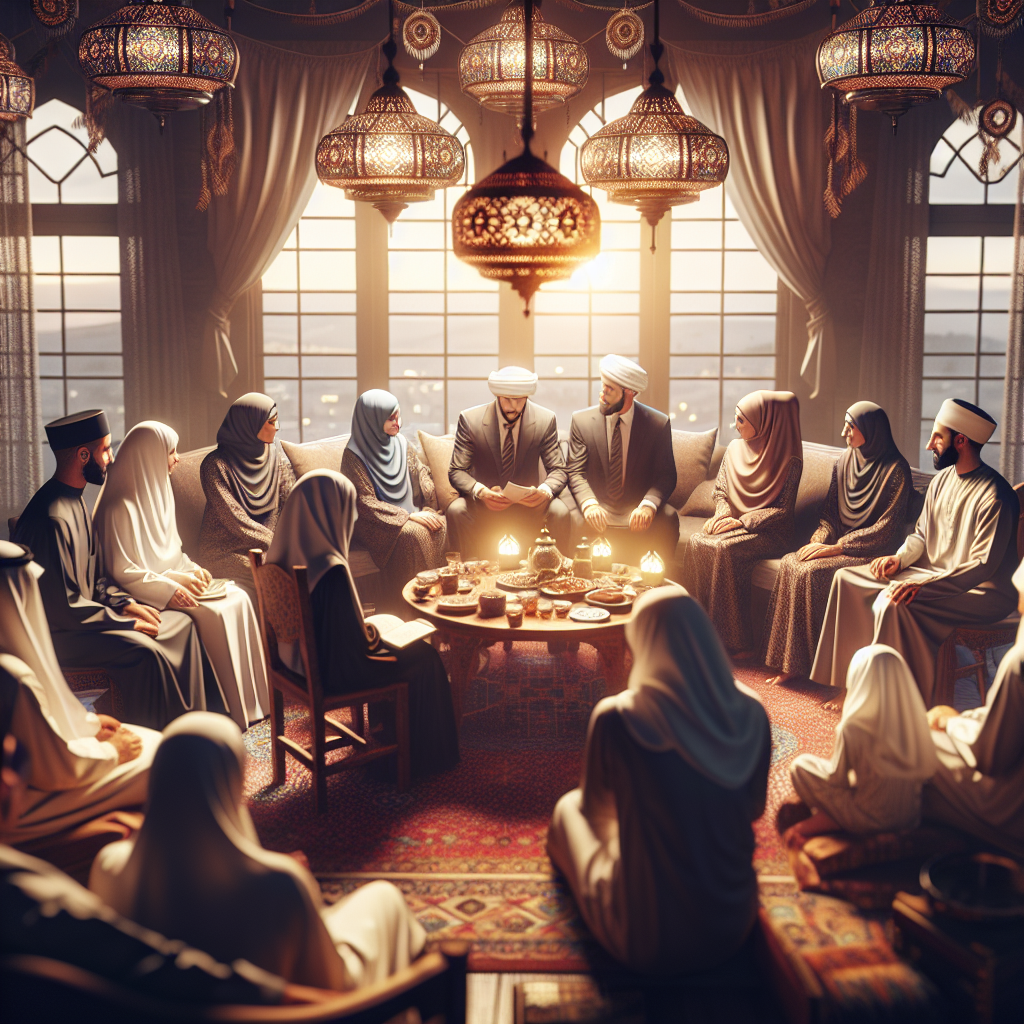
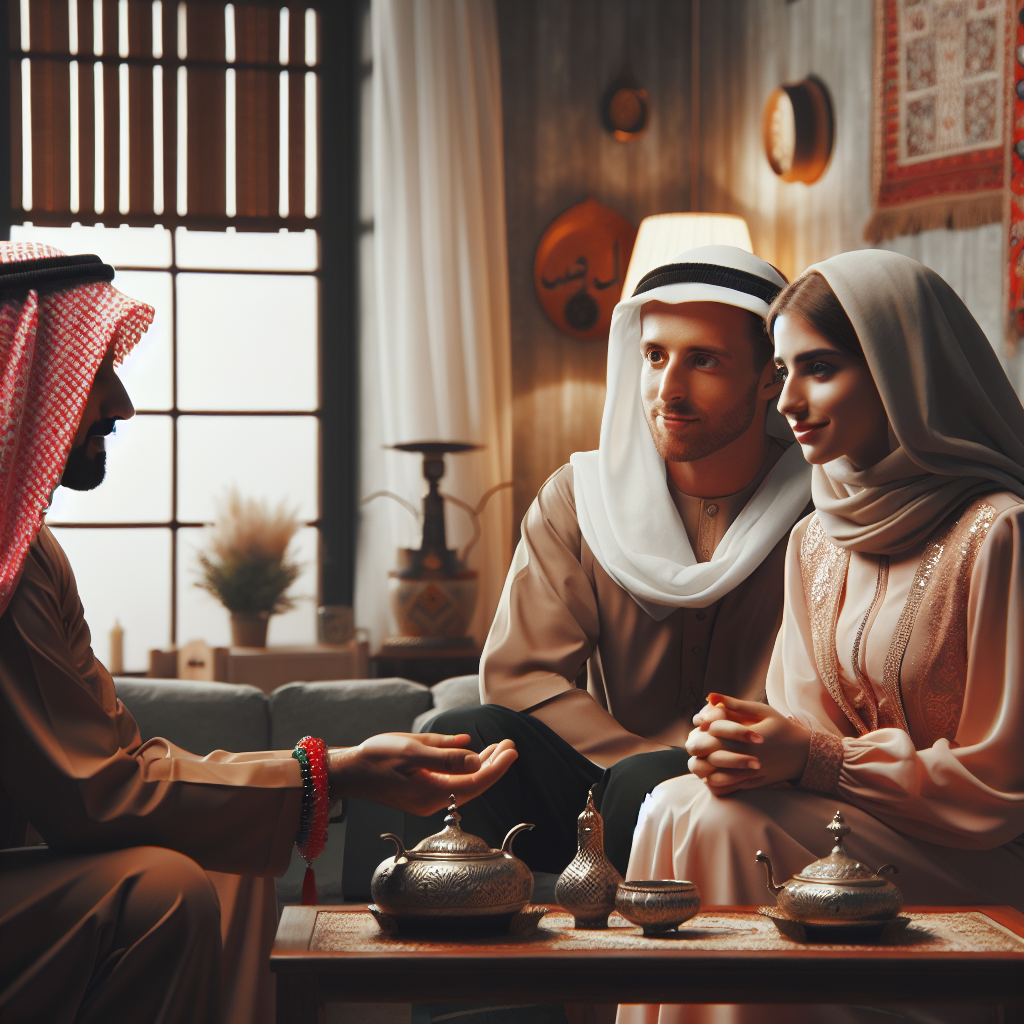
Dating Dilemmas: The Challenges of Finding Love in the Arab Community

In the heart of Arab culture lies a profound respect for family values, commitment, and the sacred institution of marriage. Traditional Arab matchmaking serves as a vital framework for individuals seeking serious relationships grounded in trust, respect, and shared goals. This article delves into the significance of halal matchmaking, emphasizing the cultural and religious principles that guide it.

The Essence of Marriage in Arab Culture

Marriage is not merely a romantic union; it is a significant milestone that intertwines families and fosters lasting connections. In Arab communities, this sacred bond is viewed as a partnership that should be established on mutual respect, understanding, and shared commitments. The involvement of families in the matchmaking process is fundamental, as it ensures that both parties come from backgrounds that align with cultural values and social expectations.

The Role of Family in Matchmaking

Family plays an integral role in the matchmaking process, serving as a supportive network that guides individuals in their search for a partner. Parents and elders bring experience and wisdom to the table, helping to facilitate introductions and assess compatibility. This not only enhances the likelihood of a successful union but also strengthens familial bonds and reinforces cultural traditions. Respecting family input is crucial, as it reflects an acknowledgment of shared values and mutual support.

Compatibility and Shared Values

When considering a potential partner, compatibility goes beyond personal interests; it encompasses foundational values. Shared beliefs, life goals, and perspectives on family and community are essential for building a harmonious life together. It is important for both individuals to communicate openly about their aspirations and values, ensuring they are aligned in their vision for the future.

Trust and Respect

Trust is the cornerstone of any relationship, and in the context of traditional Arab matchmaking, it is vital. Building trust requires patience and a sincere commitment to transparency. Respect is equally paramount; it manifests in communication, behavior, and the acknowledgment of each person’s individuality. By fostering an environment of mutual respect, couples can create a strong foundation for their relationship.

Cultivating Modesty and Commitment

In Arab culture, modesty is highly valued. This extends to the matchmaking process, where interactions should be respectful and dignified. Couples are encouraged to engage with each other thoughtfully and meaningfully, allowing their bond to develop within a framework of respect and cultural appropriateness. The commitment to each other should mirror commitment to family and community values, setting the stage for a durable partnership.

Conclusion: The Journey toward a Meaningful Union

Traditional Arab matchmaking offers a respectful and culturally grounded approach to finding a life partner. By emphasizing family involvement, compatibility, trust, and respect, individuals can embark on a journey that leads to a fulfilling and lasting marriage. Ultimately, the values inherent in this process not only honor personal relationships but also strengthen the fabric of the community, ensuring that each union is built on a solid and meaningful foundation.

Love Across Borders: Exploring Arab-American Dating Experiences

In the heart of Arab culture lies a deep appreciation for family values, particularly when it comes to the sacred institution of marriage. Traditional Arab matchmaking, steeped in respect and commitment, serves not just as a means of finding a partner, but as a bridge between families, fostering relationships built on mutual respect, shared values, and a strong foundation of trust.

The Importance of Family Involvement

In traditional Arab matchmaking, families play a crucial role. They are integral not just in the initial stages of finding a suitable partner but also in nurturing the relationship that follows. Parents and elders offer valuable insights and wisdom, guiding their children through the complexities of compatibility. This involvement ensures that both parties share similar values, beliefs, and life goals, which are essential for a successful marriage.

Compatibility and Shared Values

Compatibility extends beyond physical attraction; it encompasses emotional, intellectual, and spiritual dimensions. Shared values such as respect, modesty, and the importance of faith create a strong bond between partners. It is essential for both individuals to engage in open conversations about their aspirations, family dynamics, and future plans. This mutual understanding ensures that both partners are committed to nurturing the relationship and striving for a harmonious life together.

Respect and Modesty in Relationships

Respect for one another is a cornerstone of any successful relationship, especially in the context of marriage. Traditional Arab customs prioritize modesty and dignity, reflecting a deep respect for the individual’s character and family. Modesty plays a significant role in how partners interact, thus reinforcing a sense of honor and integrity in their relationship. Couples are encouraged to communicate openly while remaining respectful of each other’s boundaries and values.

Commitment to Long-term Relationships

Marriage in Arab culture is seen not merely as a union of two individuals, but as a lifelong commitment that encompasses both families. This perspective fosters a sense of accountability and loyalty; partners are encouraged to support each other through life’s challenges, celebrating achievements together and upholding their responsibilities toward one another and their families. This long-term commitment is essential for creating a loving and stable home environment.

Guidance for a Successful Match

For those seeking to engage in the process of traditional matchmaking, several steps can pave the way for a successful relationship. Begin with an open heart and mind; approach the idea of partnership as a pathway to companionship and growth. Engage in discussions with family members to understand their expectations and values. Building a connection should involve gradual steps, allowing time for mutual understanding and respect to flourish.

Finding a partner through traditional Arab matchmaking involves patience and dedication. It is about creating lasting bonds that honor the values of both families while ensuring that the relationship is built on a foundation of love, respect, and commitment. By adhering to these principles, individuals can successfully navigate the journey to marriage, ensuring that their union is not just a personal milestone, but a celebration of family, traditions, and shared futures.

Cultural Nuances: What You Need to Know About Dating in the Arab World

In the rich tapestry of Arab culture, the institution of marriage stands as a cornerstone of family structure and societal values. Traditional Arab matchmaking emphasizes the importance of commitment, respect, and compatibility, ensuring that the sacred bond of marriage is nurtured within an environment of trust and family involvement. In this article, we delve into the significance of these values, promoting a culturally respectful approach to finding a life partner.

The Essence of Marriage in Arab Culture

Marriage is not merely a union between two individuals; it is the joining of two families. This unique characteristic underscores the importance of family involvement in the matchmaking process. When seeking a partner, families often play a pivotal role, facilitating introductions and guiding individuals in finding someone who shares their values and vision for the future.

Compatibility and Shared Values

The essence of a successful marriage lies in compatibility. This goes beyond mere attraction and encompasses shared values, beliefs, and goals. When families take an active role in the matchmaking process, they help ensure that potential partners align in fundamental aspects, such as religious beliefs, cultural traditions, and life aspirations. This mutual understanding is crucial for fostering a harmonious relationship.

Trust and Respect in Relationships

At the heart of any enduring marriage is trust and respect. These values form the foundation for healthy communication and emotional intimacy. In traditional Arab matchmaking, respect is not only extended to one’s partner but also to both families involved. This mutual respect strengthens the relationship, encouraging couples to navigate challenges together, supported by a strong familial network.

The Importance of Modesty

Modesty is a cherished value in Arab culture, and it shapes how relationships are initiated and developed. When seeking a partner, maintaining a level of decorum and traditional propriety is paramount. This includes respectful communication and interactions that honor the boundaries set by cultural norms. Couples are encouraged to engage in wholesome activities that foster connection while honoring their individual and familial values.

Long-Term Commitment and Future Aspirations

In traditional Arab matchmaking, the emphasis is placed on long-term commitment. Marriage is seen as a lifelong partnership that requires dedication and effort from both spouses. It is essential for individuals to discuss their future aspirations openly, ensuring they have a shared vision for family life, children, and socioeconomic stability. This proactive approach lays a robust foundation for enduring companionship.

Final Thoughts

In conclusion, navigating the path to marriage within traditional Arab culture is a meaningful process rooted in family values, respect, and commitment. By prioritizing compatibility, trust, and modesty, individuals can foster serious and fulfilling relationships that uphold the cultural and religious principles of their communities. As you embark on this journey, may you find a partner who shares your values and enriches your life in countless ways.

From Arranged Marriages to Apps: The Evolution of Arab Dating

In the heart of every Arab community lies a cherished tradition: the art of matchmaking. Rooted in profound values, this practice emphasizes the importance of family involvement, respect, and commitment, ensuring that the journey toward marriage is not only meaningful but also aligned with Islamic principles. As the world evolves, the essence of traditional matchmaking remains steadfast, providing a structured pathway for individuals seeking serious relationships.

The Significance of Marriage in Arab Culture

Marriage is not merely a union between two individuals; it is a bond that brings together families, cultures, and legacies. In Arab society, this lifelong commitment is celebrated and elevated as a sacred covenant that nurtures family values and stability. Families play a pivotal role in the matchmaking process, guiding and supporting individuals as they embark on their journey to find a suitable partner.

Understanding Compatibility

Compatibility goes beyond mere attraction; it encompasses shared values, goals, and familial backgrounds. When seeking a life partner, it’s essential to consider not only personal preferences but also the compatibility of family traditions and beliefs. Engaging in discussions about educational aspirations, career goals, and family commitments helps ensure that both partners can envision a harmonious future together.

The Role of Family Involvement

Family is the cornerstone of Arab culture, and their involvement in the matchmaking process is invaluable. Parents and elders often have wisdom that can guide younger generations in their search for a partner. Their approval and blessings are seen as crucial, reinforcing the importance of trust and respect in the relationship. Engaging families in discussions enhances transparency and fosters a supportive environment for both individuals.

Respect and Modesty

Central to traditional Arab matchmaking is the embodiment of respect and modesty. Courtship should be characterized by appropriate interactions, where intentions are clear from the start. Communicating openly about one’s values, expectations, and boundaries forms a strong foundation for the relationship. This approach not only honors individual integrity but also aligns with Islamic teachings, fostering a respectful bond between partners.

Commitment and Long-term Vision

Entering into a serious relationship requires a commitment that transcends the fleeting nature of casual encounters. Both partners must share a vision for the future, emphasizing the intention to build a life together based on mutual respect and understanding. This commitment is nurtured over time, and it’s essential to engage in continuous dialogue to ensure that both partners are working toward similar life goals.

Valuable Advice for Successful Matchmaking

For those navigating the matchmaking process, here are some practical tips to consider:

  • Communicate Clearly: Be honest about your values and what you seek in a partner. Open dialogue creates trust.
  • Respect Family Input: Value the guidance of family members and involve them in your journey.
  • Take Your Time: Understand that finding the right partner is a process. Patience can lead to a more fulfilling relationship.
  • Focus on Shared Values: Look for a partner who shares your core beliefs and aspirations for the future.
  • Seek Guidance: Don’t hesitate to consult with those who have experience in the matchmaking process.

In conclusion, traditional Arab matchmaking is a beautiful practice that upholds the values of marriage, family, and commitment. By embracing this time-honored approach with respect and intention, individuals can foster deep, meaningful connections that lead to lasting relationships. As we honor our traditions and the principles of Islam, let us strive for successful partnerships based on an unwavering commitment to each other and to family values.

The Art of Courtship: Unpacking Arab Dating Etiquette

In many traditional Arab cultures, the importance of marriage is deeply woven into the fabric of society. It is viewed not merely as a union between two individuals, but as a commitment between families that fosters strong familial bonds and mutual respect. Traditional matchmaking provides a respectful and culturally appropriate pathway for finding a life partner, aligning with Islamic values while emphasizing the significance of family involvement, compatibility, and trust.

The Essence of Marriage in Arab Culture

Marriage in Arab culture is often regarded as a sacred duty, heavily influenced by family values and religious principles. It is seen as a means of fulfilling one’s responsibilities to oneself, one’s family, and, importantly, to God. This commitment goes beyond mere companionship; it symbolizes a lifetime partnership grounded in mutual respect, love, and shared values.

The Role of Family in Matchmaking

Family involvement is a cornerstone of traditional Arab matchmaking. Elders play a pivotal role in facilitating connections, guiding the younger generation toward suitable partners according to cultural and religious standards. Families often have a significant say in the matchmaking process, ensuring that candidates are not only compatible in terms of personal values but also share similar backgrounds and beliefs, thus reinforcing familial ties and community cohesion.

Compatibility and Shared Values

When seeking a partner, compatibility goes beyond physical attraction. It encompasses shared beliefs, life goals, and values. Important factors include mutual respect, commitment to family, and a dedication to Islamic principles. This holistic approach not only enhances the likelihood of a successful marriage but also honors the traditions that emphasize deep connections founded on understanding and common aspirations.

Trust and Respect as Foundations

Trust and respect are paramount in any relationship, but they hold particular significance in the context of Arab traditions. A respectful approach to communication and interactions lays the groundwork for a harmonious relationship. Couples are encouraged to be transparent and sincere, fostering an environment where both individuals feel valued and heard. This builds a strong foundation for a lasting marriage, where both partners can thrive.

Commitment to Long-term Relationships

The ultimate goal of traditional matchmaking is to establish a long-term bond. Marriage is a serious commitment, and both partners should view their union as an enduring journey. This commitment emphasizes shared responsibilities, emotional support, and the nurturing of each other’s growth. It is vital for aspiring couples to approach marriage with an understanding of its profound responsibilities and the promises they are making to each other and their families.

Conclusion: Embracing Tradition with Integrity

As we navigate the beautiful journey of finding a life partner, upholding traditional Arab values can lead to fulfilling and stable marriages. By embracing family involvement, respecting cultural customs, and prioritizing compatibility and commitment, individuals can find a partner who not only enriches their life but also embodies the principles that are cherished in their culture. Traditional matchmaking is more than a process; it is an opportunity to forge lifelong bonds steeped in love, respect, and shared faith.

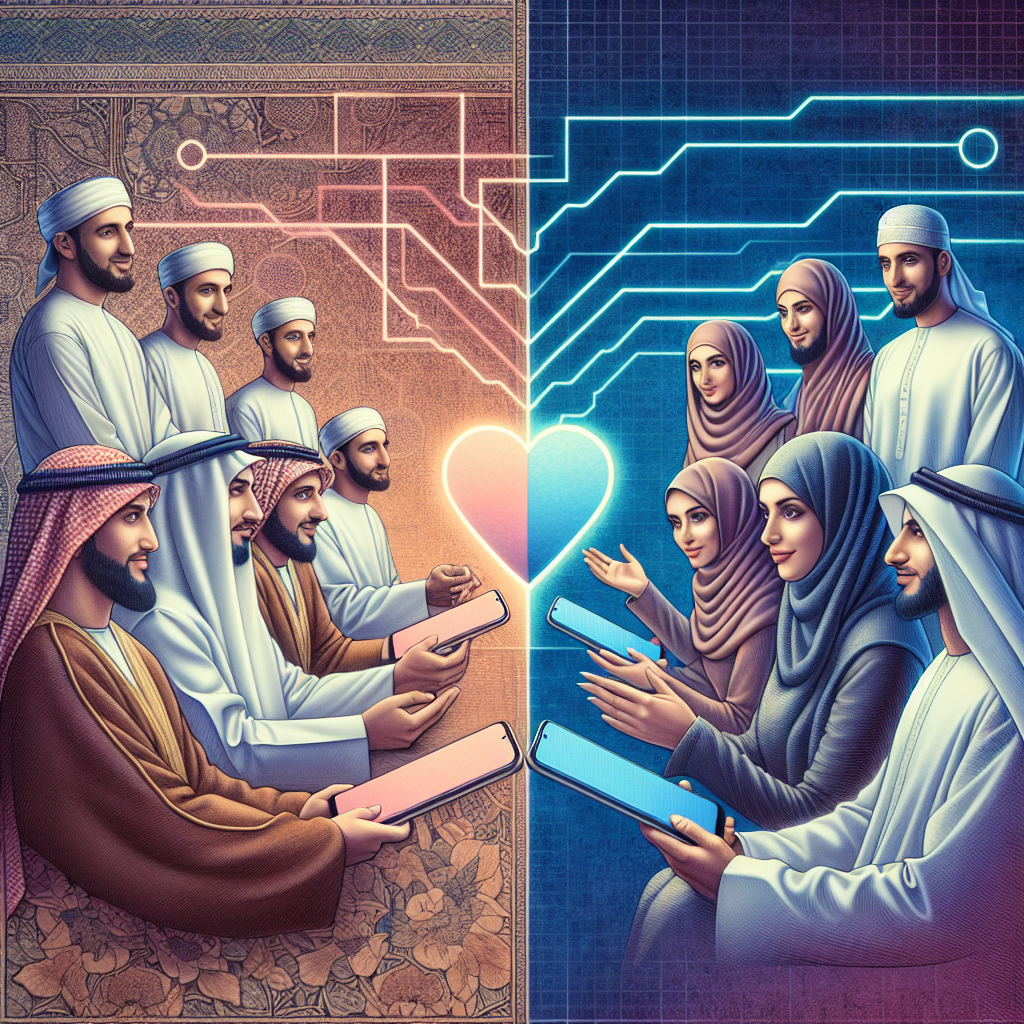
How Tradition Meets Modernity in Arab Dating

In many Arab cultures, marriage is viewed not just as a union between two individuals, but as a vital connection that binds two families together. This understanding of marriage is rooted in deep-seated values of respect, trust, and commitment, making matchmaking within these communities a thoughtful and culturally rich process. In this article, we will explore the traditional aspects of halal matchmaking, emphasizing family involvement, compatibility, and values that nurture lasting relationships.

The Essence of Marriage in Arab Culture

Marriage in Arab society is often seen as one of the most significant milestones in a person’s life. It is more than a personal choice; it embodies a collective commitment from families and communities. The union is regarded as a sacred bond that thrives on mutual respect and understanding, and it is built on the foundation of Islamic principles that guide behavior and relationships. The significance of family values in this context cannot be overstated, as they play a critical role in the decision-making process surrounding marriage.

Family Involvement in Matchmaking

In traditional Arab matchmaking, families play an integral role in the selection of a suitable partner. This involvement is not solely about finding a match but also ensures that the prospective couple shares common values, goals, and religious beliefs. When families actively engage in the matchmaking process, they also provide support and wisdom garnered from their experiences, which helps to strengthen the future marriage.

In many cases, initial introductions take place through family gatherings or community events, allowing potential partners to meet in a respectful and supervised environment. This approach promotes a sense of security and trust—key ingredients for any successful relationship.

Compatibility and Character

When considering a potential spouse, compatibility is essential. Families assess various attributes, including ethical values, educational background, and personal character. Traits such as kindness, loyalty, and faithfulness are highly valued, as they contribute to a nurturing and supportive partnership. Additionally, shared interests and mutual values can create a strong foundation for future interactions and family life.

It is crucial for both partners to be honest about their intentions and expectations. Open communication between the couple and their families fosters an atmosphere of transparency and trust, vital for a successful and fulfilling marriage.

Respect and Modesty

Respect and modesty are cornerstones of halal relationships. This involves treating potential partners with dignity and maintaining boundaries that align with Islamic teachings. Young individuals are encouraged to be introspective and respectful in their interactions. By embracing modesty, they can establish a healthier dynamic that allows for sincere communication and a deeper understanding of one another.

Long-Term Commitment and Responsibility

Marriage is a long-term commitment that requires dedication and resilience. Unlike fleeting relationships, traditional matchmaking emphasizes the importance of preparing for the future as a couple and as a family. This involves discussing responsibilities, roles, and aspirations beyond the wedding day. Couples should be encouraged to engage in discussions about their shared goals, whether related to family planning, career paths, or community involvement.

Conclusion

Traditional Arab matchmaking offers a pathway rooted in respect, commitment, and family values. By prioritizing family involvement, compatibility, and ethical behavior, individuals can embark on meaningful relationships that honor their cultural heritage. This holistic approach not only paves the way for successful marriages but also cultivates a nurturing environment where love and trust can flourish, allowing families to grow in unity and strength.

Navigating Love: A Modern Guide to Arab Dating Culture

Marriage in Arab culture is more than a union between two individuals; it is a sacred bond that connects families, cultivates stability, and establishes a foundation for future generations. This article explores the harmonious world of traditional Arab matchmaking, emphasizing respect, family values, and commitment. In a society rooted in strong cultural and religious beliefs, the process of finding a spouse should be approached with care, dignity, and intention.

The Essence of Marriage

In Islam, marriage is a significant milestone and a recommended practice, elevating the bond between a husband and wife to an act of devotion and care. The essence of marriage lies not only in love but also in companionship, mutual respect, and long-term commitment. It is a partnership where both individuals support one another through life’s challenges and joys.

Importance of Compatibility

Compatibility is paramount in traditional Arab matchmaking. Families often seek partners who share similar values, beliefs, and lifestyles. This affinity helps foster a strong relationship built on mutual understanding. When families come together to discover compatible partners, they create a supportive environment for the couple, facilitating a smoother transition into married life.

Involvement of Families

The involvement of families in the matchmaking process underscores the importance of community and collective decision-making in Arab culture. Parents and elders guide younger generations, ensuring that choices align with cultural expectations and values. This not only strengthens family bonds but also reinforces the significance of collective responsibility in forming a marital union.

Trust and Respect

Building a relationship grounded in trust and respect is essential. Each partner must honor the other’s feelings, beliefs, and boundaries. Honest communication fosters a transparent relationship where both individuals feel valued. During the matchmaking process, discussing expectations and family values openly can pave the way for a trusting foundation.

Modesty and Traditional Values

Modesty plays a crucial role in traditional Arab matchmaking. Interactions between potential spouses should reflect respect for cultural norms while maintaining a focus on genuine intentions. Respectful communication, either through families or arranged meetings, sets the tone for a relationship that honors both individuals’ backgrounds and beliefs.

Long-term Commitment

Marriage is viewed as a lifelong journey rather than a temporary arrangement. This commitment entails responsibility toward each other and the families involved. It is essential for partners to approach their relationship with the aim of nurturing it over time, cultivating love and understanding, and facing challenges together as a united front.

Conclusion: A Path to Happiness

Ultimately, traditional Arab matchmaking is a beautiful process that celebrates family values, commitment, and respect. By prioritizing compatibility, involving families, and fostering trust and modesty, individuals can embark on a marital journey that contributes positively to their lives and the lives of those around them. In embracing these principles, they can build a strong, loving foundation that honors their heritage and upholds the values integral to their culture.

Dany Williams

Dany Williams

Typically replies within an hour

I will be back soon

Dany Williams
Hey there 👋
It’s your friend Dany Williams. How can I help you?
Start Chat with:
chat